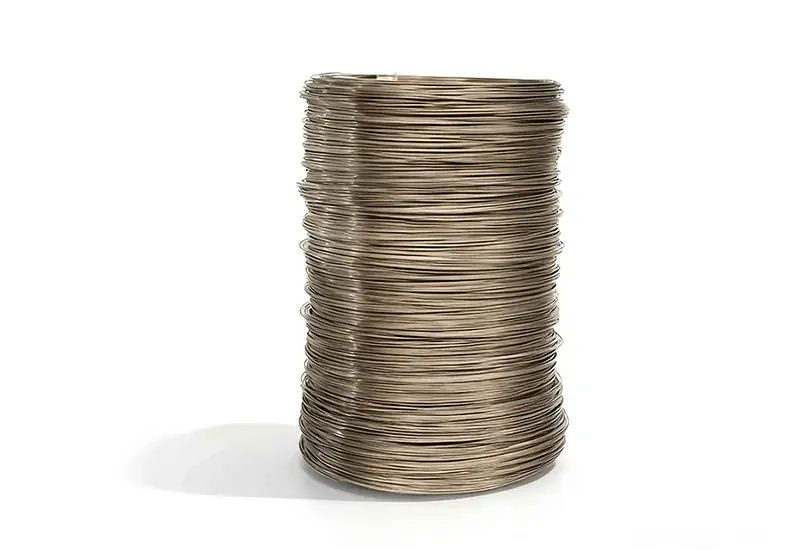
SPARK Golden electric heating wire is a premium alloy product…
View Details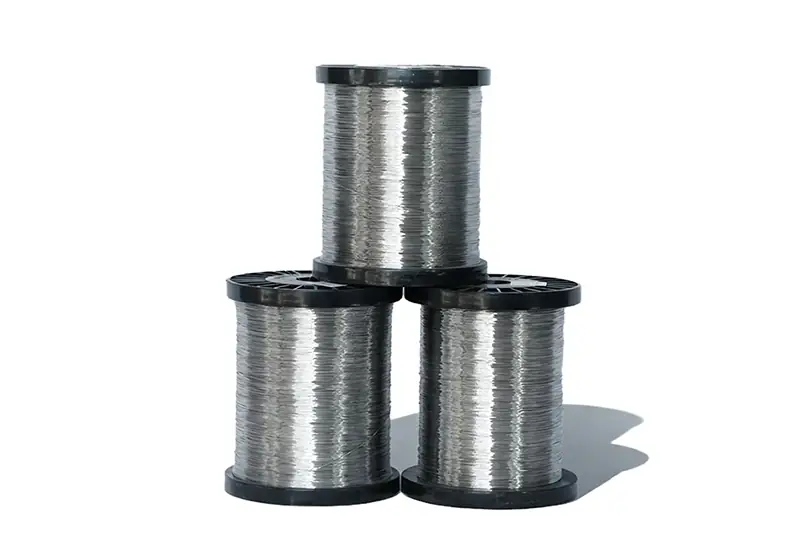
The SPARK 0Cr25Al5 is a high-performance Iron-Chromium-Aluminum (Fe-Cr-Al) electric heating…
View Details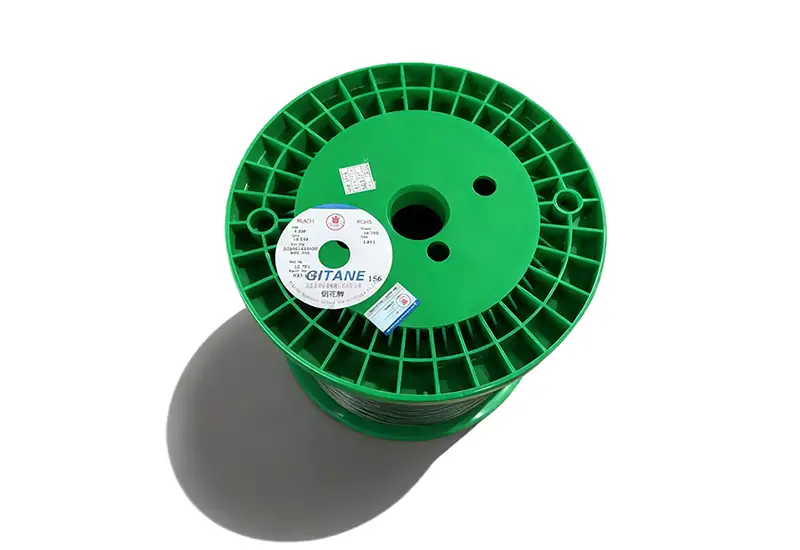
SPARK 00Cr20Al6 is a premium ultra-low carbon, high-temperature oxidation-resistant alloy…
View Details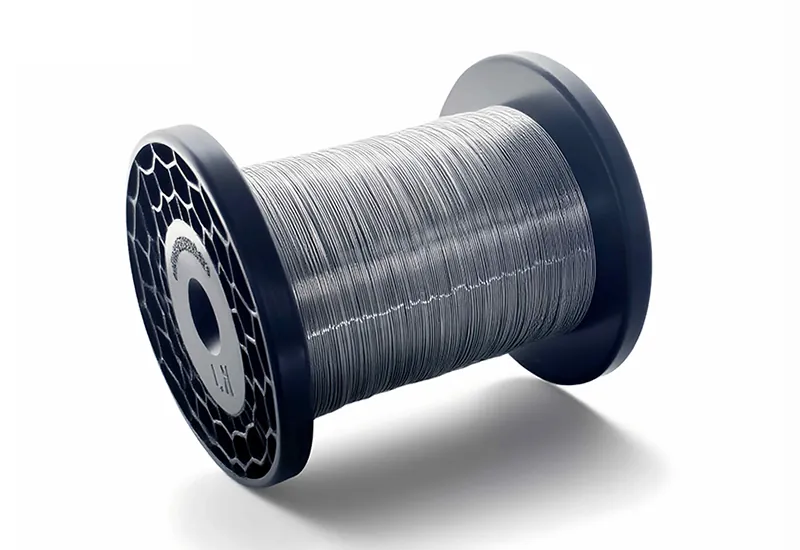
SPARK brand 0Cr23Al5 is a premium high-performance Iron-Chromium-Aluminum (Fe-Cr-Al) electric…
View DetailsIron-Chromium-Aluminum (FeCrAl) alloys are the preferred choice for industrial processes requiring temperatures exceeding 1200°C. At SPARK, we produce a specialized range of FeCrAl materials that form a highly dense, protective aluminum oxide layer on the surface during initial heating. This layer acts as a barrier, preventing further oxidation and maintaining the structural integrity of the wire even in sulfur-containing or corrosive industrial atmospheres.
The unique metallurgical composition of our FeCrAl series allows for thinner wire diameters while maintaining high power output, providing significant design flexibility for furnace manufacturers. Due to their lower density compared to nickel-based alloys, our FeCrAl wires offer a more cost-effective solution for large-scale heating applications without compromising on performance. We ensure that our materials exhibit excellent shape stability, which minimizes the risk of element sagging or short-circuiting during prolonged furnace operation.
Quality is the cornerstone of our production process. From precision alloying to advanced drawing and annealing, every step is strictly monitored to ensure uniform resistivity and mechanical properties. Whether your application is a continuous mesh-belt furnace, a high-temperature laboratory kiln, or specialized heating equipment for the glass or ceramic industry, SPARK’s FeCrAl alloys provide the thermal reliability you need to maximize production throughput.
Find answers to the most common questions about our products, technical specifications, and manufacturing processes. If you can't find what you're looking for, please contact our engineering team directly.
A: Our premium FeCrAl alloy series, such as the SGHYZ and SGHT grades, is capable of continuous operation in industrial furnaces at temperatures up to 1400°C–1425°C, depending on the specific application and element design.
A: FeCrAl alloys have a lower density and are generally less expensive in terms of raw material costs. Furthermore, their superior oxidation resistance at temperatures above 1200°C allows for a longer service life, reducing the frequency of maintenance and replacement costs.
A: Yes. FeCrAl alloys exhibit excellent resistance to sulfur-containing atmospheres, making them a safer and more durable choice than nickel-based alloys in industrial environments where sulfur contamination is present.