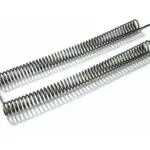
Where Are FeCrAl Alloys Used in High-Temperature Heating Applications?
Key Takeaways Introduction High-temperature heating is essential to many industrial processes. Electric furnaces and heat-treatment equipment may operate at high…
Read MoreKey Takeaways Introduction High-temperature heating is essential to many industrial processes. Electric furnaces and heat-treatment equipment may operate at high…
Read MoreIntroduction Solar energy manufacturing relies on heat at several critical stages. Silicon must be purified and melted before it can…
Read MoreIntroduction The renewable energy industry is developing rapidly, which creates higher requirements for advanced manufacturing technologies. Products such as solar…
Read MoreIntroduction From metal processing to heat treatment, industrial furnaces often operate under extreme temperatures for long periods. However, maintaining stable…
Read MoreIntroduction Nickel-chromium alloy wire is a high-performance electrical heating alloy characterized by high-temperature strength, corrosion resistance, and stable electrical resistance.…
Read MoreIn the rapidly evolving landscape of industrial manufacturing, staying updated on metallurgical advancements and material sciences is crucial. Our news and insights hub serves as a comprehensive resource for furnace builders, thermal engineers, and procurement specialists. We cover a broad spectrum of topics, including raw material market trends, energy-saving technologies, and practical installation and maintenance guides for electric heating elements.
Our technical articles focus on solving real-world thermal challenges. We analyze key industry shifts, such as the growing demand for low-carbon electric heating solutions to replace traditional gas combustion systems. Additionally, we provide step-by-step engineering calculation methods, thermal expansion analysis of FeCrAl and Nichrome alloys, and best practices for preventing premature element failures in corrosive atmospheres.
Whether you are looking to understand the resistance temperature coefficient of specialized heating elements or trying to navigate global raw material price fluctuations, SPARK provides clear, expert-backed perspectives. Browse our catalog of articles to deepen your technical expertise, improve furnace design efficiency, and find innovative solutions for your high-temperature processing needs.
Find answers to the most common questions about our products, technical specifications, and manufacturing processes. If you can't find what you're looking for, please contact our engineering team directly.
A: We update our news and insights hub regularly, sharing newly published engineering guides, metallurgical case studies, and nickel/chromium material market updates monthly to keep you informed of industry shifts.
A: Absolutely. Our technical and engineering teams are happy to address common customer challenges. If you have a specific question about resistance wire calculations, heating coil design, or furnace atmosphere impacts, please contact us to submit your request.
A: While our articles are based on SPARK's manufacturing standards and metallurgical formulations, the fundamental physics, calculation formulas, and maintenance principles generally apply to standard industrial FeCrAl and Nichrome alloys.