For equipment manufacturers building ovens, furnaces, air handlers, or process machinery, the heating tube is often the component most exposed to temperature, atmosphere, and load — and the one whose failure shuts down the entire machine. A custom heating element engineered for your specific application can improve service life and help maintain consistent thermal performance compared with an unsuitable standard tube.
This guide explains the engineering considerations behind specifying a tubular heating element, so that OEMs and integrators can make informed decisions before ordering.
1. Why the Right Heating Element Matters
Every thermal system depends on one thing: controlled, repeatable heat. The electric heating element converts electrical energy into thermal energy through resistive heating. When that conversion is inefficient or unstable, three problems follow:
- Temperature drift, which degrades product quality in processes like heat treatment or baking.
- Premature burnout, caused by hotspots, oxidation, or electrical leakage.
- Higher total cost, because frequent replacement and unplanned downtime cost more than a better initial specification.
For an equipment manufacturer, a heating tube is not just a purchased part. It becomes part of your product’s reputation. Selecting the right industrial heating element is therefore an engineering decision, not a procurement afterthought.
2. Core Engineering Considerations Before Customization
When you customize a heating tube, these factors determine whether the element performs reliably in your machine.
Operating Temperature
The heating element must be selected according to the required operating temperature of the application, taking into account the element’s material limits and actual working conditions. The suitable alloy grade and tube configuration depend on the temperature requirements and operating environment.
Atmosphere and Environment
What surrounds the heating tube matters as much as the temperature. A clean air environment is generally less demanding on a heating element than a corrosive, humid, or chemically aggressive atmosphere. The sheath and other exposed components must be suitable for the working environment. Selecting materials that are not compatible with actual operating conditions can contribute to premature element failure.
Surface Load (Watt Density)
Surface load describes how much power is concentrated on each square centimeter of the tube surface. Too high a surface load creates hotspots and shortens service life. Too low wastes space and cost. The correct value balances heat output against the medium being heated — air, liquid, or a solid metal block.
Voltage and Power
Standard supply voltages of 110V, 220V, and 380V cover many applications, but the resistance of the tube must be matched to the voltage. A heating element manufacturer will calculate the correct resistance, current, and power for your voltage and geometry.
Dimensions and Geometry
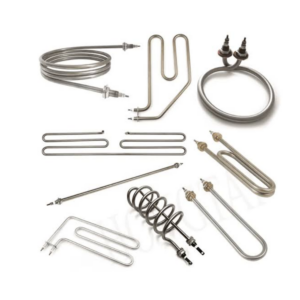
Tube diameter, overall length, heated length, and shape — straight, U-shaped, W-shaped, or custom — must fit your machine’s chamber and heat distribution requirements. This is where custom specification adds the most value, because geometry drives both heat uniformity and mechanical fit.
3. Material Selection: The Foundation of Performance
The heating element material is the foundation of an electric heating tube’s performance. Its composition and properties directly affect the maximum operating temperature, oxidation resistance, and service life of the heating element. For industrial applications involving high temperatures, FeCrAl (Iron-Chromium-Aluminum) alloy is a widely used material.
High-performance FeCrAl alloys are designed to withstand demanding high-temperature operating conditions. One of their key advantages is the formation of a dense aluminum oxide protective film on the surface during operation. This film helps slow further oxidation and protects the heating element from continuous exposure to high temperatures.
FeCrAl alloys also offer good resistance to high-temperature oxidation and are suitable for industrial heating applications that require sustained heat output.
4. The Role of the Sheath and Insulation
The resistance wire sits inside a metallic sheath, separated by insulation. Both layers deserve as much attention as the alloy.
The sheath material protects the element from the environment. Common choices include stainless steel grades and high-performance alloys, selected for corrosion resistance, mechanical strength, and temperature capability. The right sheath helps protect the element in corrosive or high-temperature conditions.
The insulation, typically high-purity MgO, sits between the wire and the sheath. Its job is to transfer heat outward while maintaining electrical isolation. High-quality insulation supports efficient heat transfer and stable electrical performance. Two measurable indicators here are insulation resistance and leakage current. Appropriate insulation resistance and leakage current values help ensure the safe and reliable operation of the heating element.
5. What to Look for in a Heating Element Manufacturer
Not all suppliers are equal. When you evaluate a heating element manufacturer, consider these capabilities:
- Full customization. The supplier should tailor diameter, length, shape, voltage, and power to your drawings, not force you into standard parts.
- Material expertise. The supplier should understand the properties of the heating material and recommend suitable specifications based on the operating temperature, working atmosphere, and application requirements.
- Quality testing. Every tube should be tested for insulation, voltage resistance (Hi-pot), and leakage current before shipment.
- Supply-chain control. A manufacturer with strong control over material production and manufacturing processes can better maintain material consistency and product quality.
These capabilities separate a genuine industrial partner from a reseller of generic parts.
6. Our SGHT Electric Heating Tubes: Engineered for Industrial Solutions
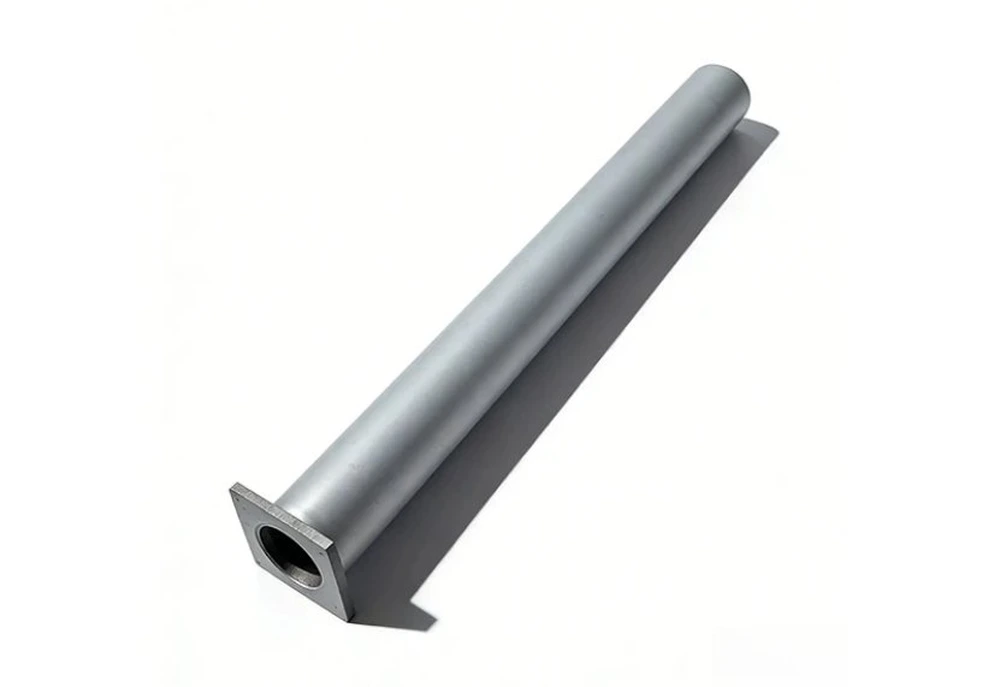
GITANE, a professional manufacturer under the Shougang Group, specializes in high-performance electric heating materials and industrial heating solutions. Our industrial electric heating tubes use SGHT (Iron-Chromium-Aluminum) alloy, providing heating solutions for equipment manufacturers, industrial heating system integrators, and thermal solution providers.
Designed for customized industrial applications, these heating tubes can be tailored in terms of diameter, length, shape, voltage, and power to meet specific equipment requirements. With expertise in electric heating material production and manufacturing, GITANE supports customers in developing heating solutions suited to their operating conditions.
Key Product Features
- SGHT Alloy Material: Manufactured using SGHT iron-chromium-aluminum alloy for industrial electric heating applications.
- Oxidation Resistance: SGHT alloy forms a protective aluminum oxide film during operation, helping resist oxidation in high-temperature environments.
- High Thermal Efficiency: High-purity MgO insulation supports efficient heat transfer while maintaining electrical isolation between the resistance wire and sheath.
- Long Service Life: Controlled electric heating material production and manufacturing processes support material consistency and product durability.
- Customized Manufacturing: Tube dimensions, shapes, voltage, and power can be customized according to equipment requirements.
Technical Parameters
| Feature | SGHT Electric Heating Tube |
| Heating Material | SGHT Alloy |
| Material Composition | Iron-Chromium-Aluminum Alloy |
| Max. Operating Temperature | Up to 1400°C (subject to confirmation for the specific SGHT configuration) |
| Voltage Options | 110V / 220V / 380V (Customizable) |
| Insulation Resistance | ≥500 MΩ |
| Leakage Current | ≤0.5 mA |
| Sheath Material | SUS304 / 316L / 310S / Incoloy |
Application Fields
GITANE SGHT electric heating tubes are suitable for a range of high-temperature industrial heating applications, including:
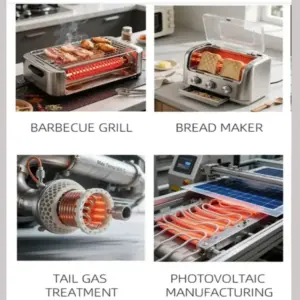
- Heat Treatment: Used as indirect radiant heating elements in controlled-atmosphere furnaces for processes such as carburizing, annealing, nitriding, and sintering of steel, automotive components, non-ferrous materials, and powder metallurgy parts.
- Semiconductors & New Energy: Applied in high-temperature controlled-atmosphere furnaces for lithium battery material calcination and graphitization, semiconductor ceramic packaging and sintering, and photovoltaic silicon material heat treatment.
- Ceramics, Glass & Refractory Materials: Provide a clean and stable high-temperature radiant heat source for electronic ceramic and structural ceramic sintering, as well as glass annealing and crystallization furnaces.
- Chemical & Advanced Materials: Used in catalyst calcination and regeneration, carbon fiber carbonization and graphitization, and fine chemical processing furnaces, where heating elements may be exposed to complex atmospheres during prolonged high-temperature operation.
- Surface Treatment & Coating: Applied in powder coating curing lines and continuous furnaces for metal blackening and passivation, supporting coating drying and workpiece surface treatment.
- Food Processing & Light Industry: Low-emission alloy tube grades can be used for clean heating in drying systems for medicinal herbs and agricultural products, as well as tunnel furnaces for heat-setting chemical fibers and nonwoven fabrics.
- Other Industrial Heating Applications: Suitable for various intermittent and specialized high-temperature heating processes, including casting mold preheating, laboratory tube furnaces, and autoclaves for aerospace composite material aging and hot pressing.
Technical Support
GITANE provides engineering support throughout the customization process:
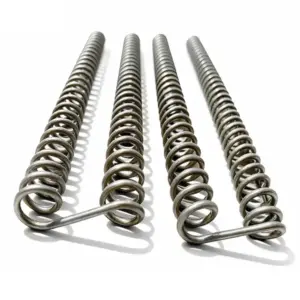
- Full Customization: Tailored tube diameter, length, shape (U-shaped, W-shaped, and spiral), voltage, and power ratings based on customer CAD drawings.
- Specification Guidance: Recommendations on SGHT heating tube configurations according to operating temperature, working atmosphere, and heating requirements.
- Quality Testing: Insulation resistance, voltage resistance (Hi-pot), and leakage current testing before delivery.
Why Choose GITANE
- Industrial Strength: Backed by Shougang Group, with expertise in electric heating material production and manufacturing.
- Material Consistency: SGHT alloy provides a consistent material basis for customized electric heating tube production.
- Customized Solutions: Supports different dimensions, geometries, and electrical specifications.
- International Supply Experience: Supplies electric heating products to customers in Europe, North America, and Southeast Asia.
GITANE provides customized SGHT electric heating tube manufacturing based on customer drawings and technical requirements. From design review to manufacturing, we work with customers to ensure that the customized heating tubes meet their equipment requirements and application conditions.
Conclusion
Customizing an electric heating element is fundamentally an engineering exercise, not a catalog purchase. Operating temperature, atmosphere, surface load, voltage, geometry, and material specifications must all be considered together, because a mismatch in any one of these factors can affect heating performance and service life.
By evaluating the application’s actual operating conditions and working with a heating element manufacturer that understands material properties, customization, and quality testing, equipment manufacturers can specify heating elements that better meet their equipment requirements.
GITANE currently uses SGHT FeCrAl alloy in its electric heating tube range, offering customized specifications based on different industrial heating applications. Contact GITANE today to discuss your electric heating tube requirements. Our team can provide customized configurations and technical support to help meet your equipment’s heating needs.
FAQ
What factors should be considered when customizing electric heating tubes?
Key factors include operating temperature, working environment, surface load, voltage, power, tube dimensions, and geometry. These factors should be evaluated together to ensure the heating element meets the equipment’s operating requirements.
Can electric heating tubes be customized for different industrial applications?
Yes. Electric heating tubes can be customized in terms of dimensions, shape, voltage, and power to meet different equipment requirements. GITANE provides SGHT electric heating tubes with customized configurations based on customer drawings and application conditions.
What industries use SGHT electric heating tubes?
They are used in heat treatment, semiconductor manufacturing, new energy, ceramics, glass, chemical processing, and other high-temperature industrial applications.