Select industrial heating elements by matching the construction and material to the process, then verify the electrical load, mounting and inspection requirements. Two furnaces can have the same setpoint and power target while exposing their elements to different gases, support layouts and heat transfer conditions.
Start with an operating record that the equipment designer, maintenance team and supplier can all read. This guide shows how to turn that record into a choice of element type, a drawing and a request for quotation.
Key Takeaways
- Identify the process medium and decide what can be exposed to it.
- Record element temperature separately from the furnace setpoint.
- Use the voltage and resistance for the same element or circuit.
- Label the area used for every surface load or watt density figure.
- Agree on supply scope and inspection before placing the order.
What Industrial Heating Elements Do
Identify the Part That Produces Heat
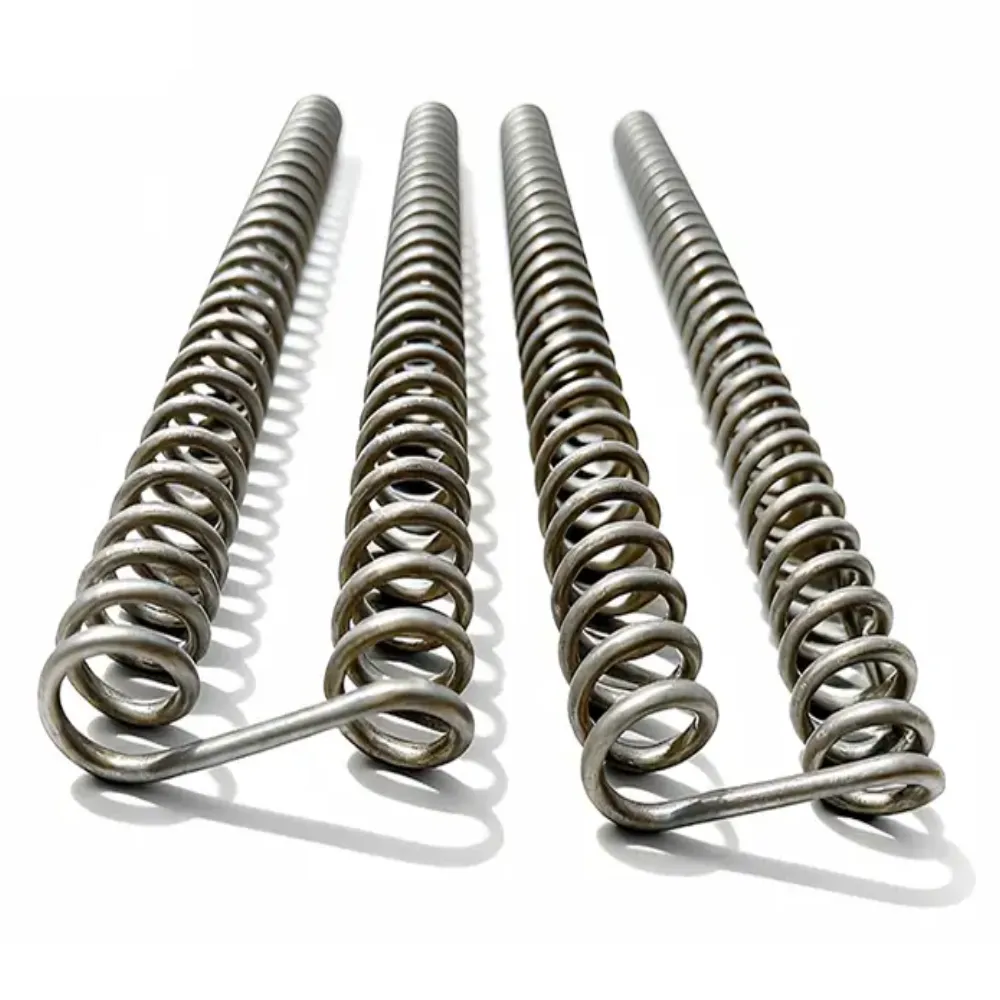
Industrial heating elements convert electrical energy into heat through electrical resistance. In a furnace, the heat must travel from the element to the work or process environment. The path depends on how the conductor is mounted and what lies between it and the load.
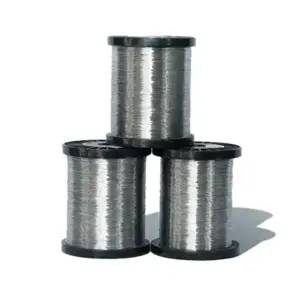
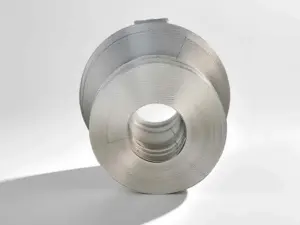
An exposed element can use wire or strip. In a sheathed unit, the resistance conductor is inside an insulated assembly. A radiant tube system places another boundary between its internal heat source and the process. These distinctions matter when you specify the part to be delivered.
The existing equipment drawing is a good starting point. Mark the current carrying part, the surfaces in contact with the process and the items that hold the element in place. Label the connections and distinguish components that stay in the furnace from those included with a replacement.
Gather Operating Inputs for Industrial Heating Elements
Begin with the process setpoint, the expected cycle and the type of load being heated. Identify the process medium and record any known changes between startup, steady operation and shutdown. A gas name alone may leave questions about moisture, contaminants and other exposures.
For industrial heating elements, also record the supply voltage, required power and connection arrangement. State whether those values apply to one element, one branch or the whole system. Add the available space, mounting orientation and support details from the equipment drawing.
Write down where each input came from. A nameplate, an approved drawing and a recent measurement can all help, but they may refer to different parts of the installation. Keeping their sources visible makes it easier to resolve a conflict before you request a quote.
Illustrative scenario: Two Units Fit the Same Space
A buyer has room for either a supported coil or a sheathed assembly. Both candidates fit the available opening. The equipment reviewer checks what the process can contact, where the heat needs to go and how each unit can be supported.
The buyer adds these conditions to the request before comparing power and price. That gives the supplier a clear basis for describing the offered construction.
Send SPARK your drawing and operating inputs to discuss the element and the intended supply scope.
Compare Industrial Heating Elements by Construction
Open Wire and Supported Coils
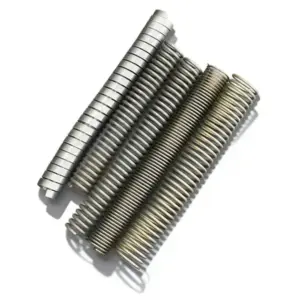
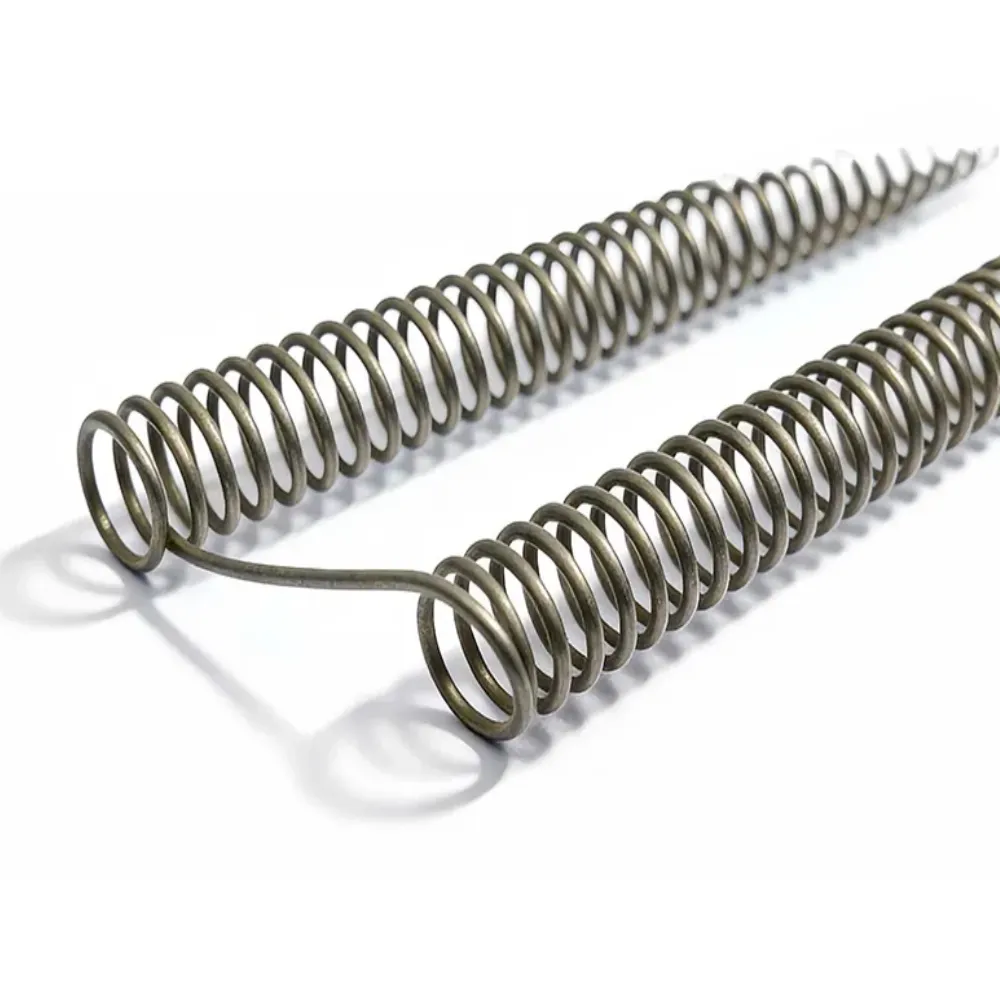
An open resistance element exposes the wire or strip to the surrounding environment. The drawing should show the shape and the support layout together. For a coil, distinguish the wire diameter, the coil diameter, the turn spacing and the length of the conductor along its path.
A supported coil may sit in grooves or run on ceramic tubes, depending on the design. Mark where the element touches a support and where it needs room to move. Ask which dimensions refer to the free coil and which refer to the installed assembly.
For industrial heating elements in grooves, a section view can make the installation easier to review. Include the groove shape, the terminal exits and the locations where the coil changes direction. These are equipment details that a wire size alone cannot convey.
Use a coil drawing to define the finished shape of industrial heating elements and the points used to measure it. Keep the support layout and electrical basis with that drawing. Furnace heating coil selection guide.
Sheathed Industrial Heating Elements
A sheathed element places an insulated resistance conductor inside an outer sheath. For selection, identify the surface in contact with the medium and how heat leaves that surface. Specify the sheath material, the heated section, the cold ends and the mounting or connection details needed for the installation.
For a replacement, copy the bend geometry and the connection orientation from an approved drawing when available. Show which dimensions control fit and which apply only to a reference view. A photograph helps explain routing, especially where a drawing does not show access or nearby parts.
Industrial heating elements that look similar from the outside can have different heated lengths or connections. Put those fields next to the outside diameter and overall length. Ask the supplier to identify its proposed construction and any differences from the drawing.
The design reference treats element type and installed conditions as inputs to the calculation. Use its examples within the stated configuration.
Radiant Tubes and the System Boundary
In an electric radiant tube assembly, separate the internal element from the tube that transfers heat to the process. A request for a tube can mean a bare tube, an internal element or an assembly. Mark the pieces you need on the drawing and ask for the offer to list what it includes.
For industrial heating elements inside tubes, give the available length and diameter along with the support and terminal arrangement. If the old tube stays in place, record its condition and dimensions separately. Ask the equipment reviewer to identify the interface requirements before accepting a proposed assembly.
Use the radiant tube guide to review material and application questions at the system level. Keep the heat source and tube identified separately in the purchase record.
| Construction | First question | What the drawing should show |
|---|---|---|
| Open wire or strip | What surrounds the conductor? | Supports, heated span, clearances and terminals |
| Sheathed element | What contacts the sheath? | Heated length, sheath envelope, mounting and cold ends |
| Radiant tube assembly | Which parts are included in the order? | Tube, internal heat source and connection interfaces |
Choose Materials for the Actual Service Conditions
Start With a Named Grade
FeCrAl and NiCr are families of metallic resistance alloys. When selecting industrial heating elements, record the exact grade and the form for which the data sheet applies. Use the named material’s values for the proposed wire, strip or element rather than copying a number from a general comparison chart.
Check the temperature heading and its conditions. A material data sheet may state a limit for the element in a given environment. The process setpoint describes a different location. Put both temperatures in the application record when you have them, and label whether each value was measured, calculated or specified.
For the metal alloy decision, compare the expected atmosphere, cycling, mechanical arrangement and the grade data together. Keep alternative grades on separate rows and note who will review them. FeCrAl and NiCr selection guide.
Keep Ceramic Options in Their Own Branch
Industrial heating elements also include ceramic options such as silicon carbide and molybdenum disilicide. Compare these as distinct element families, each with its own electrical and installation requirements. Start with the documented process conditions and then consult the relevant product information.
Kanthal’s comparison illustrates how a manufacturer groups metallic, SiC and MoSi₂ products by temperature and application. Use it to identify questions for each family. Check the specific data sheet and application conditions before using a rating in a design record.
A material change can also change the questions that go to the equipment designer. Record the proposed element type, its mounting and the supply requirements. Review these together when deciding whether an alternate belongs in the comparison.
Record the Environment and Cycle for Industrial Heating Elements
For industrial heating elements, write down what reaches the element during a typical cycle. Include the gas or other process medium, known deposits and any changes from one stage to the next. If the element is enclosed, identify which conditions apply inside the enclosure and which apply outside it.
Then check how the assembly is held in place. Label the supports and connections, and note which dimensions matter when the system heats or cools. A change to a support or the surrounding lining belongs in the record even when the intended setpoint stays the same.
If you have a repeat installation, include the equipment and drawing revision. Record any changes since the last purchase, such as a different control sequence, a new load or a change in the process atmosphere. These notes give reviewers a basis for deciding which old assumptions still apply.
Define Power, Resistance and Surface Area
Define the Electrical Boundary for Industrial Heating Elements
For a resistive load at a stated operating point, power can be expressed as P = V²/R when V is the voltage across the load and R is its resistance at that condition. For sinusoidal AC, use RMS voltage. A controller setting or a supply label may describe a different value from the voltage across an individual element.
For industrial heating elements on more than one branch, draw or attach the circuit arrangement. Mark the element or group to which the voltage, current, resistance and power figures apply. Use that boundary for every value in the calculation.
Keep the cold resistance target in a separate field. Include the reference temperature and measurement endpoints for that target. If the design uses a temperature correction, record the named grade and the reference value from its data sheet.
Indeeco’s overview connects heat input and heat transfer to the resulting temperature of the element. Use it to explain why electrical power and the installed environment need to be reviewed together.
Label the Area Behind the Load
Power divided by area gives a load per unit area. For industrial heating elements, identify whether the area belongs to the heated conductor, the outer sheath or a furnace wall. These choices answer different design questions.
If a calculation uses the heated length of round wire, its ideal lateral area is πdL, with diameter and length in consistent units. Identify the power attributed to that heated section. A sheathed design may require another calculation based on the outer sheath surface, with the heated length defined for that surface.
Put the area definition, dimensions and units on the worksheet beside the result. Use the equipment or material source that covers the same type of loading when evaluating that result. An application table for one surface provides a reference for that surface and its stated conditions.
Illustrative scenario: Equal Power, Different Denominators
Two engineering notes describe industrial heating elements with equal assigned power P. One reports P divided by the wire’s lateral area. The other reports P divided by the area of the outer sheath.
The buyer asks each reviewer to label the power and surface boundaries. The worksheet keeps both ratios under their proper headings. The team can now identify what each figure describes before it compares either figure with an applicable design limit.
Record Changes Before Reusing a Calculation
When a dimension, grade or circuit changes, make a new calculation record. Attach the version of the drawing that it covers. State which values came from the old part and which come from the proposed element.
For industrial heating elements ordered in groups, confirm whether the specification applies to each individual part or to a set. That distinction determines how purchasing describes the quantity and how receiving staff use the inspection records. Put both the order quantity and the test scope on the request.
Preserve Failure Evidence and Plan Replacement
Document Damage to Industrial Heating Elements
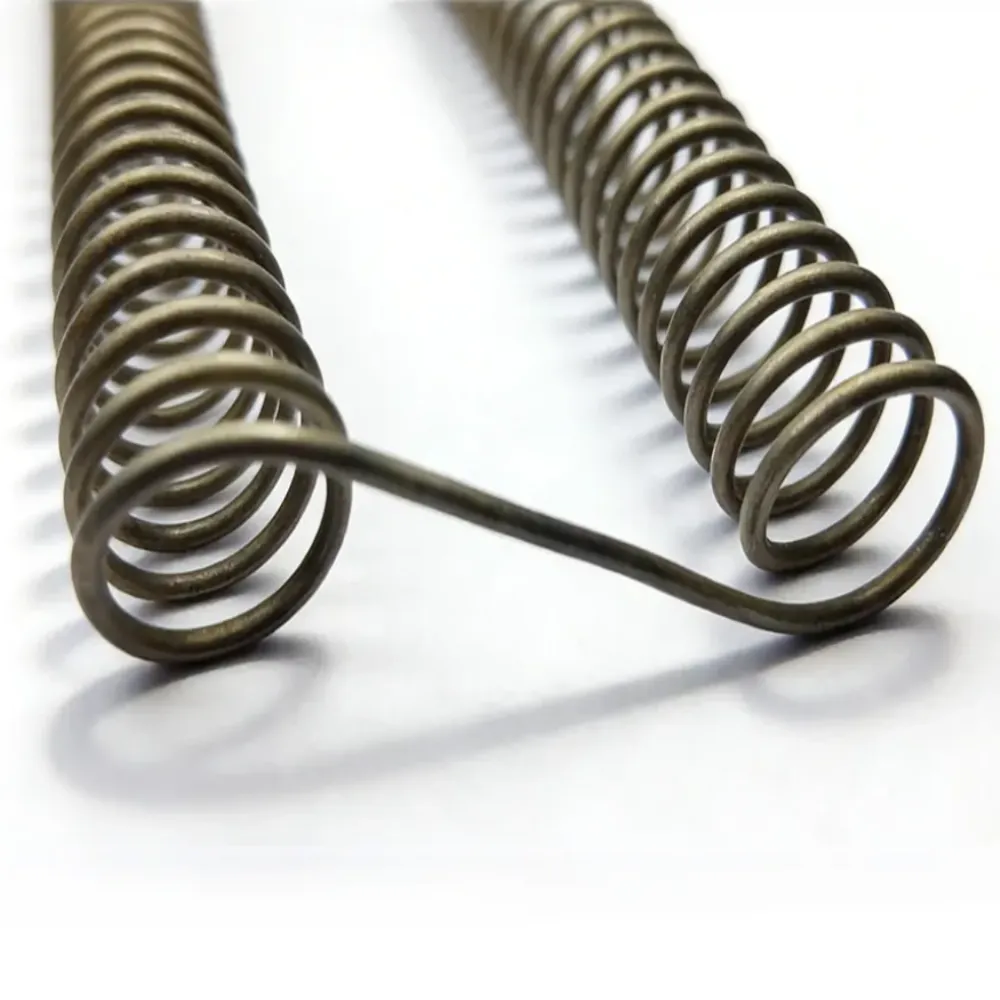
Before reviewing industrial heating elements for replacement, record the observed symptom and its location. Include the equipment position, the process stage and the relevant service history. Follow the equipment’s approved procedures for isolation, removal and inspection.
If there is a damaged area, label it on the drawing or photo. Add a view of a comparable area that appears unaffected. Keep observation and interpretation in separate fields so another reviewer can see which parts of the record are measured or visible and which remain hypotheses.
The site failure guide covers abnormal surface changes, hot spots, resistance readings and support conditions. Use it to structure the evidence record and decide what needs further examination.
Separate the Old Part From the New Requirement
An old element can be useful as a sample of the shape and mounting arrangement. Record where it was measured and in what state. If the sample has changed shape in service, keep its observed dimensions beside the original drawing dimensions.
When ordering industrial heating elements from an existing design, note what has changed in the equipment since the last order. Update the circuit, support layout and service inputs if needed. Mark any requirement that still depends on an engineering decision.
A replacement record should distinguish the proposed alloy, geometry and electrical requirements from the findings about the old part. Give the new part its own acceptance fields. Ask for the offered material and any proposed drawing deviations to be stated with the quote.
Illustrative scenario: The Quote Uses a Different Drawing
A plant buyer requests a replacement from a drawing and attaches a picture of the old assembly. The quote refers to the picture but gives no drawing revision. The buyer asks the supplier to identify the drawing it priced and to list any differences in the connections and heated length.
The reviewer can then check the scope against the equipment record. The accepted drawing and inspection requirements go with the purchase order, where receiving staff can find them.
Prepare a Drawing and RFQ for Industrial Heating Elements
Define the Supply Scope for Industrial Heating Elements
Start with the part name, quantity and whether you need wire, a formed element or an assembly. If some pieces will be reused, mark them on the drawing and list the parts to be supplied. Use the same terms in the drawing, RFQ and later acceptance record.
For industrial heating elements, include how the part is installed and what can be measured at receipt. State which dimensions apply to the supplied part in its free state and which checks belong to the installed equipment. The supplier can then describe its inspection scope.
Browse the published range of industrial heating elements for relevant forms, then confirm the offered configuration on the quotation.
Mark the Interfaces Between Supplied and Reused Parts
For industrial heating elements supplied as part of a larger assembly, draw a line around the items you expect the supplier to provide. Name the existing parts that will stay in service. A terminal, support or tube shown on a drawing may be there to explain the installation. An item list makes it clear which parts belong in the offer.
If you are sending a sample, describe what it represents. State whether it came from stock or from equipment that has already run. Include the best available drawing and identify differences you have observed. Ask the equipment reviewer to resolve those differences before they become inspection requirements.
Give each group of industrial heating elements its own order line if the groups have different drawings or test conditions. Two items with the same outside shape may still need separate records. If parts must be kept together as a set, include that requirement and explain how the set should be identified on delivery.
Use One Checklist for Each Offer
| RFQ field | What to record |
|---|---|
| Equipment and process | Equipment ID, heating zone, medium and cycle |
| Temperature | Process setpoint and element temperature basis |
| Material and form | Named grade, element type and supplied condition |
| Drawing | Revision, units, supports, dimensions and terminal locations |
| Electrical | Voltage and power per load, cold resistance and test scope |
| Inspection | Limits, methods, measurement state and required records |
| Supply | Included parts, quantity, packing and requested delivery |
Review each offer against the same list. List each deviation and open item on its own row. If an offer changes a dimension or material, record the change and send it to the person responsible for approving that requirement.
Keep the final drawing with the acceptance record. When the industrial heating elements arrive, match the delivered items to that record and check the agreed documents. Leave installation and equipment checks with the team responsible for the equipment.
Close Open Questions Before Issuing the Order
Review the quotes with the people responsible for the equipment and the purchase. Put the proposed grade, electrical basis and drawing revision on the same comparison sheet. Ask the equipment reviewer to confirm which differences require a fresh calculation or installation review. Let purchasing track the remaining questions about included parts and documents.
Before ordering industrial heating elements, agree on how to handle a result outside the stated limit. Include the point of contact and the records needed to review the result. Give receiving staff the current drawing and acceptance sheet so they can check the part against the terms that were actually agreed.
Finally, file the approved record where the maintenance team can find it. Keep the applicable equipment position with it, especially if similar parts are used in several zones. The next buyer can start from the last accepted requirements and identify what has changed in the equipment or process.
Questions About Selecting Industrial Heating Elements
How Do I Choose Between an Open Coil and a Sheathed Element?
Start with the process medium and the proposed heat transfer path. Review where the element will sit, what can contact it and how the connections are arranged. Put those conditions on the drawing and ask for the construction that fits the stated application.
Can I Use the Furnace Setpoint as the Element Temperature?
Record the setpoint under its own label. Add the intended or measured element temperature with the method used to obtain it. If that value is missing, tell the reviewer what information is available and ask what evidence is needed.
Does Matching Resistance Approve a Replacement?
For industrial heating elements, matching readings at the same temperature and measurement points can help verify one requirement. Review the grade, element dimensions, mounting, connections and service conditions as well. Agree which checks apply at receipt and which apply in the installed equipment.
What Should I Send With an Enquiry?
Send the drawing, required power, voltage, operating conditions, quantity and requested inspection records. Identify the intended scope and any open fields. Include a photo if it helps show a support or terminal that is difficult to describe.
For industrial heating elements, the useful purchase record connects the part to the equipment and the conditions it will see. Send SPARK the drawing and completed RFQ to discuss the proposed element and what the quotation should include.