A FeCrAl heating element replacement needs a match across the alloy, electrical target, installed fit and service conditions. Start with the approved specification and identify which values still need confirmation. A coil may sit neatly in the old grooves while its terminals or measurement points differ from the drawing.
This guide helps you turn the old drawing, the removed part and the new offer into one review record. Use it to decide what to send with a quotation request and what to check when the new part arrives.
Key Takeaways
- Keep original drawing values separate from readings taken after service.
- Confirm the alloy grade and reference temperature for electrical data.
- Describe coil dimensions in a named state, such as free or installed.
- Record the actual element environment and the support layout.
- Agree on the inspection method and acceptance limits before ordering.
Start Your FeCrAl Heating Element Replacement With the Original Record
Find the Approved Drawing
Start with the last approved drawing and purchase specification. Look for the material designation, revision, terminal positions and the state used for dimension checks. Add the electrical requirements and any inspection instructions that came with the original order.
A FeCrAl heating element replacement may begin with a sample and very little documentation. In that case, make an inventory of what you know. List the part number, equipment identifier, heating zone and any records that can tie the part to an earlier order.
Give observations their own column. A dimension taken from a used element describes that part in its current state. If the drawing gives a different value, keep both entries visible until the equipment reviewer resolves the difference.
Illustrative scenario: The Sample Fits the Groove
A buyer sends an old coil as the reference for a FeCrAl heating element replacement. The coil sits in its groove, and the buyer plans to use its measured length for the order. The supplier asks whether that dimension represents the free coil or the installed span.
The buyer labels the measurement state and adds the available drawing. The quotation can now identify the dimension being offered and the condition in which it will be checked. The equipment reviewer still needs to confirm the applicable limits.
Send SPARK the drawing and known service details to discuss the scope of a FeCrAl heating element replacement. Include any measurements from the removed part as a separate attachment.
Identify the Part You Want to Buy
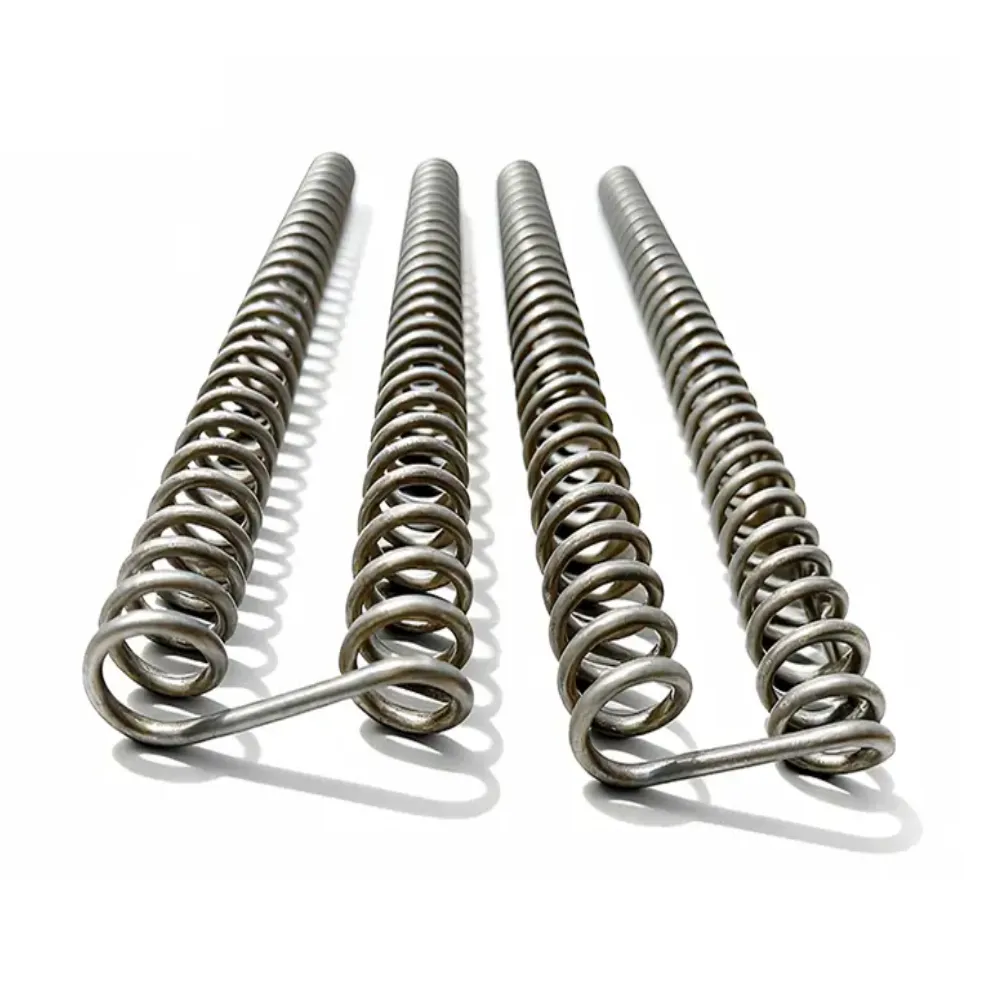
A request for an element can cover a piece of resistance wire, a formed spiral or a larger assembly with specified connections. Mark the requested items on the drawing. Add a list of any terminals, supports or other items that need to appear in the quotation.
For a FeCrAl heating element replacement, keep the supply boundary visible on the same page as the dimensions. Review the published product forms before specifying what you need. SPARK formed heating elements.
Confirm the Alloy and Electrical Basis
Match Grade and Reference Temperature
FeCrAl is an alloy family. For a FeCrAl heating element replacement, record the full grade designation and form. Ask for the data sheet for the material being offered, including its reference temperature for resistivity and the basis for any resistance correction.
Published values illustrate why the grade matters. Kanthal’s industrial furnace handbook lists resistivities at 20°C of 1.45 Ω·mm²/m for A-1, 1.39 for AF and 1.35 for D. These entries apply to those named grades. Kanthal industrial furnace handbook.
A FeCrAl heating element replacement may call for review of an alternate material when the original grade is unavailable. Ask for the proposed designation and supporting data, then review it against the required electrical and service conditions. Include the exact offered grade in the purchase record. SPARK FeCrAl alloy range.
The AF wire data sheet illustrates the distinction between a reference resistivity and a grade-specific temperature rating. Both fields need their labels when copied into a worksheet. Kanthal AF wire data sheet.
Handle an Unavailable Original Grade
If the original grade is no longer offered, write that fact in the request. Give the supplier the original designation if you have it, and list the properties your team needs to review. Ask for a data sheet for the proposed grade and a list of any changes to the element drawing.
For a FeCrAl heating element replacement, make the alternate material a separate line in the record. Keep the original requirement visible beside the proposed grade and the source for its properties. Give the equipment reviewer room to record which checks support the decision and which questions remain open.
A material approval should refer to the drawing it covers. If the proposed wire size or heated length changes during quotation, review the electrical basis and the available space again. Save the approval with the resulting revision so the same decision can be traced when another part is ordered.
Specify What the Resistance Reading Covers
Write down the test temperature and where the measurement starts and ends. A reading across the assembly terminals and one across the active conductor describe different measurement scopes. The acceptance record should use the same scope as the ordered requirement.
For a FeCrAl heating element replacement, identify the circuit arrangement and the voltage across the relevant element or branch. Keep the cold test target and the operating resistance basis in separate fields. Use the existing calculation guide when reviewing how wire section and developed length affect the design. Furnace heating coil selection guide.
Illustrative scenario: Two Readings Use Different Endpoints
A maintenance team checks an old coil at its terminals. The drawing specifies resistance across the active section at a stated test temperature. The team records the old reading with its endpoints and asks which measurement the supplier will report for the FeCrAl heating element replacement.
The quote then has a place to state the intended test method. The buyer can review that method against the drawing before comparing the reported resistance with the acceptance range.
Review Fit, Supports and Service Conditions
Define the Fit on the Drawing
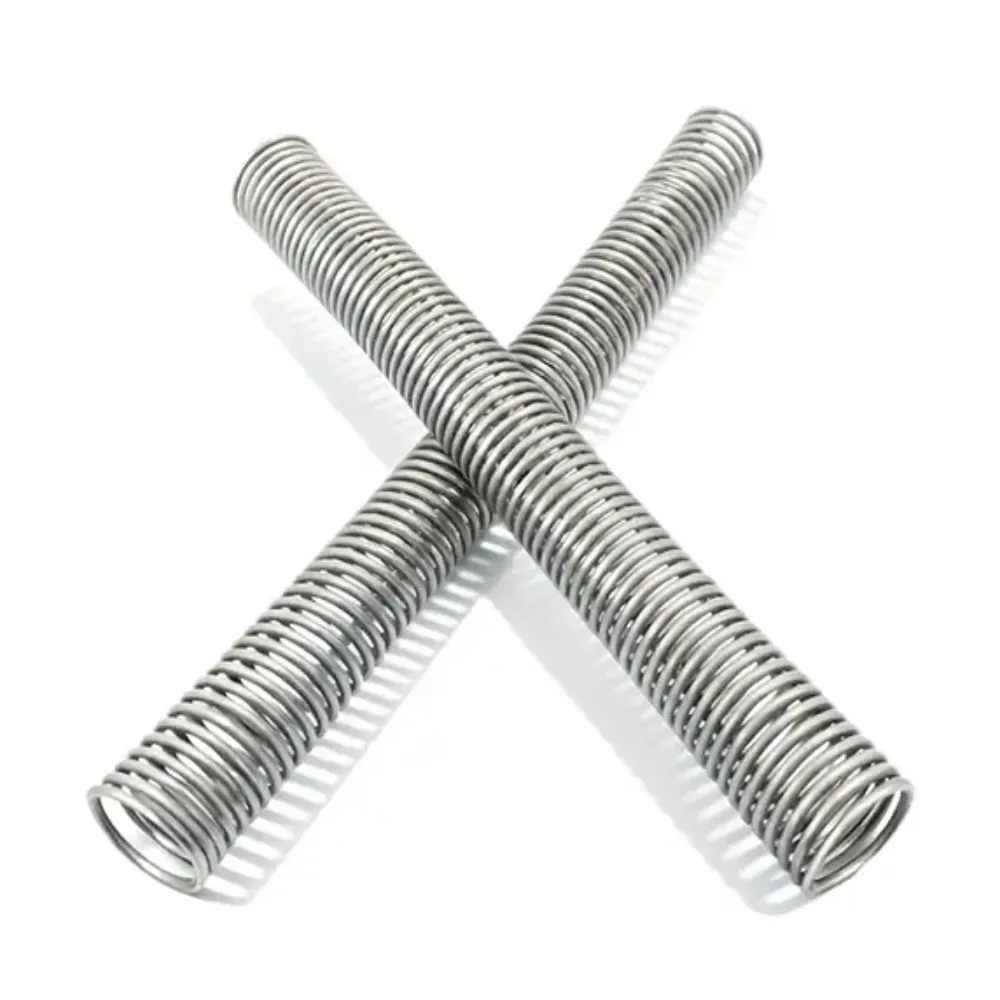
List the wire size, outer dimensions and clear opening on separate lines. For a spiral, show axial pitch and length with the reference points used to measure them. Mark the heated section, connection ends and support positions. Include any relevant installation clearances.
For a FeCrAl heating element replacement, use the same drawing revision for the quotation and the final inspection. If the old sample and drawing disagree, record both values and ask the equipment reviewer to confirm the requirement. A supplier can then quote against a named dimension in a stated condition.
An outline sketch can help when the full assembly is hard to describe. Show the direction of insertion, nearby surfaces and the terminal exit points. Label the source of each measurement.
Record the Environment Around the Element
Identify the furnace setpoint and any available element temperature separately. Note whether the element value comes from measurement, a calculation or an existing specification. Describe the gas mixture and known deposits, along with the heating and cooling cycle. FeCrAl temperature and service conditions.
A FeCrAl heating element replacement record should also show whether the conductor sits in grooves, rests on tubes or uses another support arrangement. Note changes to the furnace lining, supports or connections since the previous order. Include those changes in the application review.
Identify the Heating Zone and Nearby Parts
Mark the position of the part in the equipment before you send the drawing. Similar elements may be used in different zones or at different positions in the same zone. Give the zone label and point out any differences in the routes to the terminals or in the space around the element.
If you plan to replace only part of a group, show which parts will remain in service. Include the relevant wiring diagram and ask the equipment reviewer how the new part will be checked in that arrangement. Record whether the proposed part will be reviewed on its own, as part of a branch or as part of a matched group.
For a FeCrAl heating element replacement, add photos or sketches when they explain an installation constraint. Label each view so the supplier can connect it to the drawing. If a photo shows the old part after service, note the date and which features were measured separately.
Use the Forming Video to Identify Parts of the Drawing
The Kanthal workshop video shows a coiled element being formed and discusses FeCrAl and NiCr materials. Use it as background for identifying the conductor and formed coil on a drawing. The video demonstrates a named Kanthal application.
For a FeCrAl heating element replacement, put the required dimensions, supported span and connection details on the actual drawing. Ask the supplier which details can be checked on the part before installation. Reserve equipment-level acceptance checks for the approved installation process.
Build a FeCrAl Heating Element Replacement Acceptance Record
Keep Four Evidence Fields Together
Use a row for each item that affects ordering or inspection. Copy the original requirement and observed condition into different cells. Then state the proposed requirement and name the check or document that can verify it.
| Item | Original specification | Removed part or equipment | Proposed requirement and check |
|---|---|---|---|
| Alloy | Grade and material record | Identification available on records | Offered grade and agreed document |
| Electrical | Target, temperature and endpoints | Reading, conditions and endpoints | Cold resistance range and test method |
| Geometry | Revision, units and measurement state | Actual section and installed space | Dimensions and limits for inspection |
| Supports | Layout and materials | Current contact points and condition | Approved arrangement and clearances |
| Service | Specified environment and duty | Current gas, cycle and temperature basis | Confirmed application information |
| Scope | Parts covered by the prior order | Parts that need replacement | Items and records included in the quote |
A FeCrAl heating element replacement enquiry can move forward with open questions if each question has an owner. Ask the supplier to identify its offered grade and supply form. Ask the equipment reviewer to confirm the intended installation and service conditions. Keep the replies with the drawing revision they address.
Compare Offers Field by Field
Place each supplier response beside the same list of requirements. Mark each field as confirmed, proposed with a change or open. A drawing number on the first page of a quote makes it easier to identify the offer, but the technical details still need to be compared with the drawing.
Start with the scope. Check whether the price covers the formed part alone and what records are included with delivery. Then check any proposed changes in alloy, dimensions and test conditions. Give each proposed change to the person who can review it before the order is released.
A FeCrAl heating element replacement record should travel with the order. When the part arrives, use the agreed limits and methods to check the items you can inspect at receipt. Record any separate installation checks in the equipment documentation. That gives maintenance and purchasing a common reference for the next order.
Agree on the Test Before the Order
State the measurement method, limits and required records. Confirm whether the agreed checks cover each part or a defined sample. Ask how each delivered item will be marked. Match those marks to the quote and test record.
For a FeCrAl heating element replacement, compare offers against the same drawing and test scope. A change in what the quotation includes can affect how the parts are inspected or installed. Ask each supplier to list deviations from the requested specification.
Illustrative scenario: The Quotation Omits an Inspection Record
A buyer receives a quote for a FeCrAl heating element replacement with the correct drawing revision listed. The quotation names the cold resistance target but does not describe the record supplied with delivery. The buyer asks for the test temperature, endpoints and reporting scope to be included in the offer.
The parties can now compare what is being quoted with what receiving inspection needs. Any remaining questions stay visible on the order worksheet.
Questions Before Ordering a Replacement
Is Matching Cold Resistance Enough?
Check the grade, geometry, terminals and service basis as well. A matching cold value answers one question about a FeCrAl heating element replacement when the temperature and endpoints match. Use the operating design and drawing requirements to review the rest of the assembly.
What If the Old Element Has No Grade Marking?
Look for the original order, material certificate or equipment specification. If the grade remains unknown, document that gap and ask the equipment reviewer how to qualify the proposed material. Keep the proposed grade and its source separate from assumptions about the old part.
Can I Order From the Old Part Alone?
An old part can help document the layout and features. Include measurements and photographs with their reference points. For a FeCrAl heating element replacement, also provide the available circuit, support and service information so the proposal can be reviewed against the equipment.
What Should the Quotation Identify?
Ask for the offered grade, drawing revision, supply scope and inspection basis. Confirm whether the parts are supplied in the state used for your dimensional checks. Write down any differences that require review before the order can be placed.
Before ordering a FeCrAl heating element replacement, put the material, measurements and service conditions on the same record. Keep unknowns beside the fields they affect. Submit the drawing and acceptance record to SPARK to discuss the proposed element and supply scope.