FeCrAl oxidation can form a protective aluminum-oxide layer on the alloy surface. That protection depends on the named material and its service conditions; oxidation resistance does not mean the metal stops reacting.
The practical question is whether the layer can form and remain effective in your furnace. A general alloy description cannot answer that question without the temperature, gas mixture and operating history. Those details belong beside the material specification.
This guide connects the mechanism to a clear application record. You will learn how to read a conditional research result, distinguish a supplied finish from an operating procedure, and prepare the questions needed for a material enquiry.
Key Takeaways
- A protective oxide is part of FeCrAl’s behavior, so oxidation alone does not establish failure.
- Record element temperature separately from the process setpoint.
- Keep the alloy, atmosphere and exposure time beside any research finding.
- A pre-oxidized finish does not define a universal treatment schedule.
- Surface color alone cannot establish oxide chemistry or the cause of damage.
How FeCrAl Oxidation Can Protect the Alloy
Start With the Metal and Its Surface
FeCrAl names an iron-chromium-aluminum alloy family. During suitable high-temperature exposure, aluminum can form alumina, or aluminum oxide, at the surface. A protective layer reduces further attack; it does not make every grade suitable for every atmosphere.
Kanthal’s general factors and furnace-specific guidance describes why an oxide must be dense and adherent to protect resistance alloys. It also identifies temperature, atmosphere, cycling and supports as relevant operating-life factors. Its branded material guidance should retain those qualifications.
For a FeCrAl oxidation review, begin by identifying the actual material. The SPARK FeCrAl heating alloy range is a starting point for discussing available grades. A family name is not a complete material or application specification.
Ask Separate Questions About the Layer
Use three questions to organize the review. Can the layer form under the intended conditions? Can it remain attached during service? What evidence shows that the material remains appropriate as exposure continues?
These questions separate formation, integrity and continued protection. They also prevent a visible surface film from becoming the only acceptance criterion. A photograph can record appearance, but it cannot by itself answer every material question.
Illustrative Scenario: The Atmosphere Field Is Blank
A buyer sends a hypothetical enquiry for furnace wire described only as oxidation-resistant. The drawing includes dimensions and a process setpoint, but the atmosphere field is blank. The reviewer asks for the gas mixture and temperature basis before discussing a grade.
No material has been declared suitable or unsuitable. The missing information has simply been identified. This is a useful first step in FeCrAl oxidation selection because it turns a broad request into a reviewable requirement.
To start that discussion, send SPARK your grade request, drawing and atmosphere information. Mark unknown conditions clearly so they can be addressed with the offered material.
What Changes FeCrAl Oxidation Behavior?
Keep Grade and Temperature Together
Start with the named grade’s data. A family-wide temperature number is not enough. Record the material designation, supplied form and source revision. Keep any application limits attached to the conditions under which they are stated.
The FeCrAl temperature and service-conditions guide explains why process setpoint, element temperature and material rating are different inputs. Do not infer wire temperature from the furnace controller alone. State what the available measurement actually represents.
For FeCrAl oxidation questions, a useful record separates known values from estimates and missing information. If only the process setpoint is known, label it that way. Show how the temperature was obtained.
Read Exposure Conditions Before the Result
A 2007 study indexed by Chalmers examined polished Kanthal AF samples at 900°C. Exposures lasted 1, 24, 72 and 168 hours in dry oxygen or oxygen containing 40% water vapor. The reported wet exposure accelerated oxidation during the first 72 hours.
The abstract also describes different oxide layers and their development. These details belong to that named experiment. They do not define a SPARK heater’s life, an allowable operating atmosphere or a treatment instruction.
A FeCrAl oxidation comparison should therefore retain the experiment’s scope. Changing the grade, surface state, gas mixture or time means you are asking a different application question. Use the study to identify inputs worth checking, rather than treating it as a substitute for the required material data.
Distinguish Initial Exposure From Continued Service
Write the exposure duration beside the finding whenever you quote a study. An observation made early in a controlled test is not automatically a forecast for an installed element. Avoid removing time from a statement merely to make it sound simpler.
For FeCrAl oxidation records, distinguish initial treatment, routine service and any later inspection. A material supplied with a treated surface begins with a different documented history from a sample described only as polished. Record the condition actually supplied rather than filling it in from a photograph.
Include the Heating Cycle
Record whether the intended service is steady or cyclic. Include the sequence of heating, cooling, atmosphere changes and shutdowns when known. A peak temperature alone leaves out that history.
The purpose is to define the application. It is not to calculate a universal number of safe cycles. FeCrAl oxidation performance must remain tied to the actual grade and service basis, including any material-specific guidance available for that cycle.
Review the Furnace Atmosphere
Describe the Gas, Not Only Its Label
Terms such as air, protective gas and reducing atmosphere are useful headings, but they are incomplete specifications. Record the actual mixture and the relevant moisture information when available. Identify where and when those conditions apply in the process.
A FeCrAl oxidation enquiry should also describe changes between startup, normal operation and shutdown. Do not assume that a label on a gas supply describes every condition around the wire. Note whether the information comes from a specification, a measurement or an estimate.
This is a request for better inputs, not a universal compatibility chart. The material supplier and design reviewer still need to assess those inputs against the offered grade. A broad family label cannot approve every combination of temperature and gas.
Keep Water-Vapor Claims Conditional
The Chalmers example shows a measured effect under a defined set of conditions. It supports asking about moisture. It does not establish one numerical correction for every FeCrAl material or every operating period.
For a FeCrAl oxidation review, avoid the unqualified statement that water vapor always has the same effect. Keep the gas concentration, alloy and exposure history attached to the result. If those inputs differ from the planned service, identify the difference explicitly.
Illustrative Scenario: A Research Result Becomes a Rating
An engineer receives a hypothetical recommendation based on an oxidation paper. The recommendation names a temperature but omits the tested alloy and gas composition. Before using it, the engineer asks for the original conditions and compares them with the application record.
The paper may still provide useful background. What is missing is a justified connection to the offered material. The FeCrAl oxidation review now contains a clear question instead of an unsupported operating rating.
Record Contaminants and Contact Materials
Kanthal’s furnace guidance flags steam, halogens, sulfur-bearing conditions, salts and other contaminants as relevant to resistance-alloy service. It distinguishes some environments rather than treating a substance name alone as a compatibility decision. Use that guidance to frame questions for the actual grade.
For FeCrAl oxidation enquiries, list known deposits, process fumes and materials touching the element. Include the support description and any change in furnace loading or cleaning practice. Do not assign a chemical cause from a deposit’s color alone.
| Application Input | What to Record | Question Still Requiring Review |
|---|---|---|
| Process gas | Mixture, source and operating stage | Does the offered material fit this environment? |
| Moisture | Known concentration or stated measurement basis | What information is still missing? |
| Deposits | Location, appearance and known source | Is material examination needed? |
| Supports | Material identity and contact layout | Are the contact conditions appropriate? |
| Cycling | Sequence of heat, cool and gas changes | Which conditions govern the review? |
Treat this table as an information checklist. It does not rank environments or replace a material-specific assessment. A blank field is an open question to resolve, not permission to insert a typical value.
When Should Pre-Oxidation Be Discussed?
Confirm the Offered Surface Condition
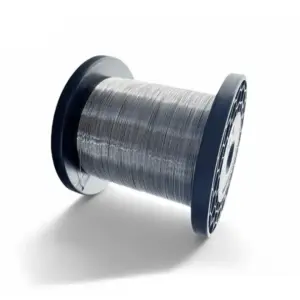
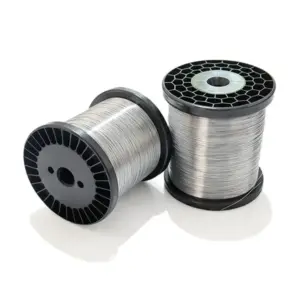
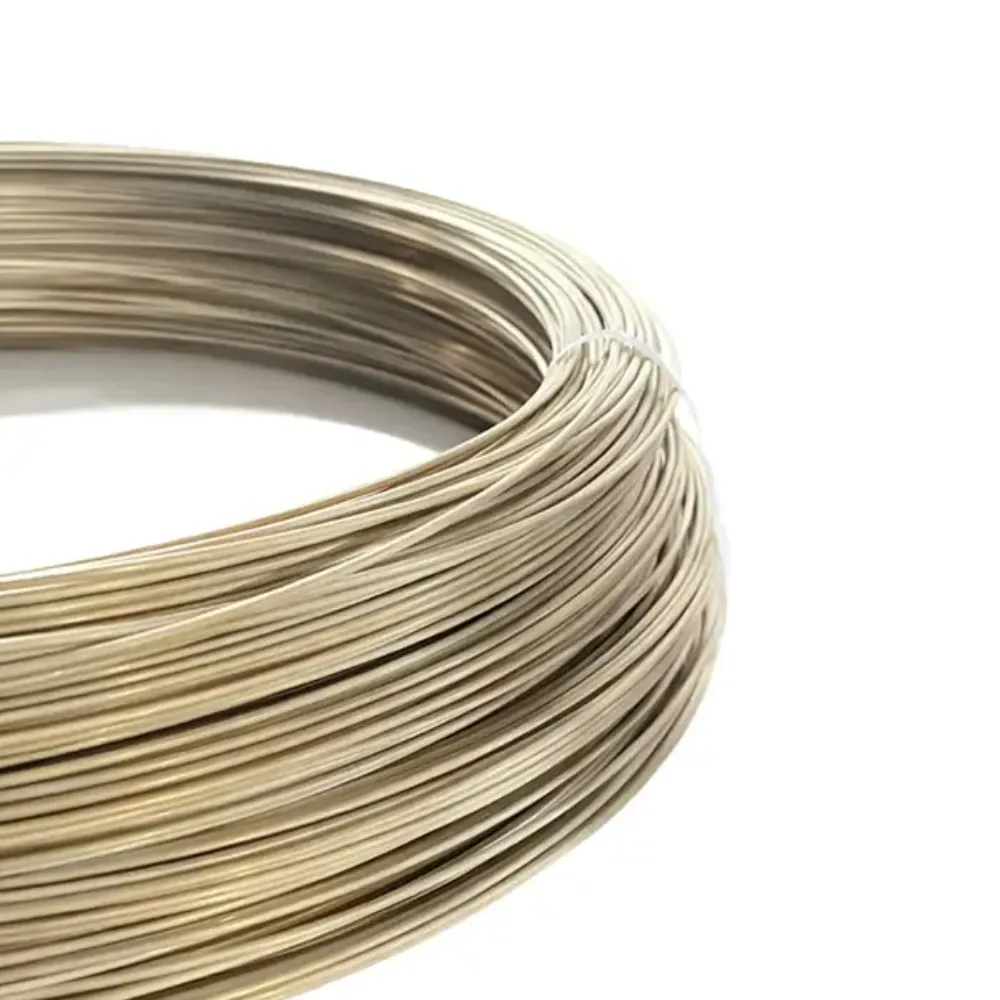
SPARK’s golden electric heating alloy wire page advertises a pre-oxidized finish. That is a named product offering. Confirm the grade, dimensions and supplied condition for the actual order.
A FeCrAl oxidation discussion should distinguish the offered surface from the conditions it will later encounter. A finish description alone does not establish suitability for an unspecified furnace atmosphere. Ask which documents describe the supplied material and its agreed acceptance requirements.
The page lists a standard diameter range of 2.0–10.0 mm for that product, checked November 4, 2026. This is not a family-wide size guarantee. Confirm the current offer for the requested section and quantity.
Obtain a Procedure for the Actual Material
A published treatment belongs to the material and purpose named by its source. For example, the Kanthal APMT construction-material data sheet contains its own pre-oxidation guidance. That schedule is not a procedure for every SPARK grade.
For FeCrAl oxidation control, ask which procedure applies to the proposed material, form and service. The review should identify the required starting surface, process atmosphere, heating and cooling conditions, and acceptance record. Do not copy a schedule from a different product and leave its identity behind.
Separate Forming Background From Surface Treatment
Kanthal’s official workshop video shows forming a coiled element and discusses FeCrAl and NiCr materials. It provides useful background on the distinction between a conductor and a formed assembly. It does not demonstrate an oxidation-control procedure for the SPARK product described above.
Use the demonstration within that scope. For a FeCrAl oxidation requirement, obtain the applicable material and process information separately. A workshop example cannot establish the surface condition or acceptance limits of a different order.
Turn the Mechanism Into a Specification
Build a Record Someone Else Can Review
A useful FeCrAl oxidation record connects the material to its planned environment. Keep the inputs in one worksheet. Include the relevant drawing notes. Use the same revision number on the drawing and supporting requirement list.
| Requirement | Information to Include |
|---|---|
| Material | Named grade, supplied form and source revision |
| Geometry | Wire section, relevant dimensions and drawing reference |
| Temperature | Element or process value, clearly identified |
| Atmosphere | Gas mixture, moisture information and process stage |
| Surface | Requested finish and applicable supplied-condition documents |
| Operation | Heating cycle and known changes in service |
| Contacts | Supports, connections and nearby process materials |
| Acceptance | Agreed requirements, records and unresolved questions |
The table keeps FeCrAl oxidation assumptions visible. It does not approve the design. If a field is unknown, identify who will confirm it and retain that question beside the candidate material.
For a material enquiry, contact SPARK with the drawing and completed application record. Ask about the actual offered grade and surface condition. Keep the response with the specification it addresses.
Illustrative Scenario: The Finish Has No Acceptance Basis
A hypothetical order requests golden pre-oxidized wire but does not identify the required surface documents or acceptance conditions. The buyer asks the supplier to clarify the offered condition and records the response against the order revision. The buyer also retains the intended furnace atmosphere for review.
This does not invent a test result or establish service life. It closes a specification gap. FeCrAl oxidation requirements become easier to review when the requested finish and the evidence of supply are described separately.
Separate Prevention From Failure Analysis
If an element has already failed, preserve the distinction between observations and conclusions. The heating element failure-analysis guide describes the broader evidence record for damaged elements. Use it when the task involves a break, hot spot or abnormal deterioration.
This FeCrAl oxidation guide focuses on material and environment questions before a selection or treatment decision. A darkened surface alone does not establish oxide chemistry. Further examination may be needed to answer a specific materials question.
Read the Record as a Set of Questions
Before sending the worksheet, read it as someone who has never seen the furnace. Can that person identify the wire, the gas and the source of each temperature? If not, add a short note. Keep the note factual and mark what still needs checking.
A FeCrAl oxidation review also needs a clear purpose. State whether you are selecting new material, confirming a supplied finish or reviewing a change in service. These tasks need different answers. Put the request at the top of the record so the supplier can respond to the question you actually need resolved.
Keep Changes Traceable
When a proposed grade, surface condition or atmosphere changes, identify which requirement changed. Record which questions were reconsidered and which remain open. This helps the next reviewer follow the decision without assuming that an earlier response covered a different application.
For FeCrAl oxidation decisions, clarity matters more than a long list of unsupported numbers. A concise record with defined conditions is more useful than a copied maximum-temperature claim. Keep the evidence and its limits together.
FeCrAl Oxidation Questions and Next Steps
Does Oxidation Always Mean Damage?
No. A protective oxide can be part of the material’s normal high-temperature behavior. Assess the named grade and conditions before interpreting a surface change. Oxidation resistance does not mean zero reaction or guaranteed life.
Does a Golden Surface Prove the Oxide Chemistry?
No. Appearance alone is not a chemical analysis. Confirm the supplied condition through the applicable product information and agreed records. Do not turn a color description into a phase identification.
Is Water Vapor Always Worse?
Do not make that universal claim from one study. The alloy, temperature, gas composition and exposure time belong beside the finding. Review whether those conditions match the material and service being considered.
Can One Pre-Oxidation Schedule Be Used for Every Grade?
A branded treatment schedule applies within its stated scope. Obtain the procedure appropriate to the actual material and form. A different supplier’s example does not establish a SPARK processing requirement.
What Should I Send With an Enquiry?
Send the named grade request, drawing, temperature basis, atmosphere, operating cycle and requested surface condition. Identify unknown information and the documents you need. These inputs help define a FeCrAl oxidation discussion without assuming the answer in advance.
FeCrAl oxidation is best reviewed as a relationship between the material, protective layer and environment. Keep the grade and conditions visible, use research within its stated scope, and confirm the actual supplied condition. Then send SPARK the application record and remaining questions to discuss the available material options.