Introduction
Most industrial processes that require controlled temperature depend on a heating element to convert electrical energy into heat. These components appear in production furnaces, laboratory equipment, and household appliances alike. For engineers specifying parts on a production line or buyers sourcing components for a product, a clear understanding of how heating elements work and where they are used makes supplier selection more straightforward.
This article explains the operating principle behind electric heating elements, the material categories in common use, and the applications that rely on them. It also outlines the factors to consider when choosing a heating element manufacturer.
What Is an Electric Heating Element?
An electric heating element converts electrical energy into heat through resistance heating, also known as Joule heating. When current flows through a conductive material, the material’s resistance causes part of the electrical energy to be released as heat. Higher resistance or higher current produces more heat.
The same principle warms an electric oven, holds an industrial furnace at operating temperature, and boils water in an electric kettle. In each case, the element is the point where electricity becomes thermal energy.
The main advantage of this method is control. Compared with open flames or fuel combustion, an electric heating element can be switched on and off quickly, adjusted in fine steps, and engineered to follow a specific temperature profile. Industries that need repeatable, uniform heat rely on this controllability.
How a Heating Element Works
In practice, a heating element is a conductor whose shape and dimensions are chosen to produce a predictable amount of heat for a given voltage and current. Four design factors determine performance:
- Material resistivity. Materials with higher resistivity generate more heat at the same current, allowing shorter or thinner elements to reach the target temperature.
- Dimensions. The cross-section and length of the wire or strip set its total resistance and therefore its power output.
- Operating temperature. The element must remain stable at its working temperature without melting, sagging, or oxidizing excessively.
- Surface area. A larger surface distributes heat more evenly, which matters where temperature must be uniform across a chamber or part.
These factors interact, so element selection is not a matter of choosing a generic part. The material and geometry have to be matched to the specific thermal task.
Common Types and Materials
Industrial heating elements are available in several forms and are made from different alloys, each suited to particular conditions.
Form Factors
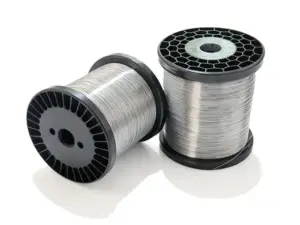
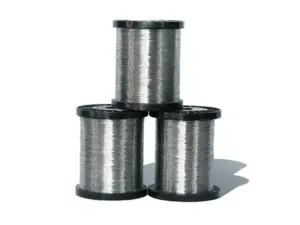
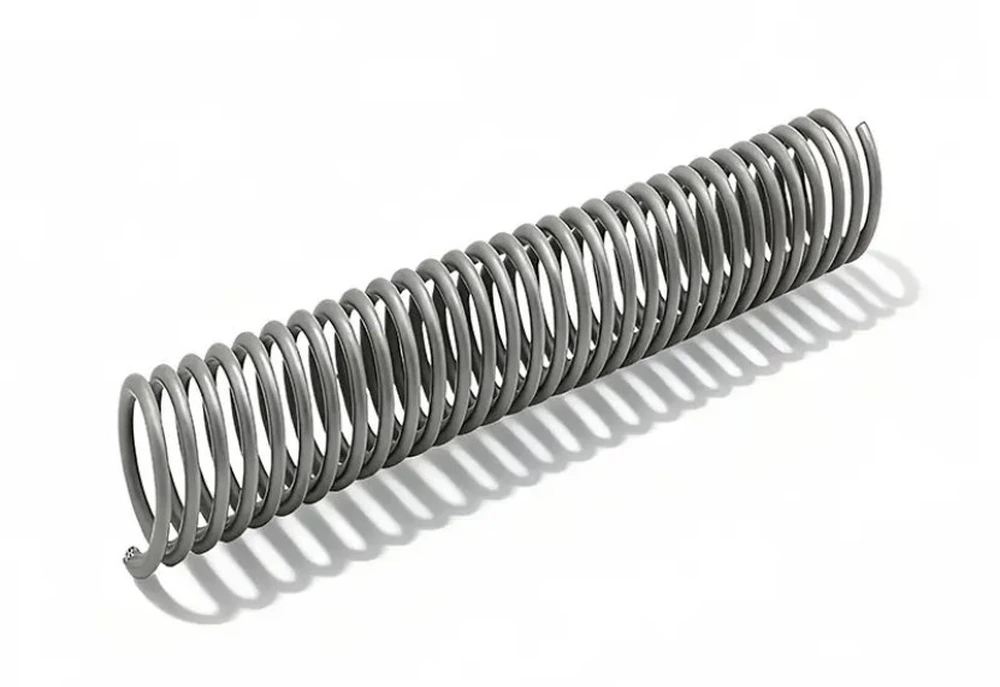
- Wire elements. Conductors that can be straight or formed into coils and spirals. Spiral-wound wire is widely used because it packs a long length of conductor into a compact shape.
- Strip and ribbon elements. Flat conductors with a large surface area, used where heat must be spread across a broader zone.
- Tubular elements. Enclosed elements that protect the conductor from the surrounding environment, common in more specialized equipment.
Alloy Families
The two main alloy families for resistance heating are FeCrAl (iron–chromium–aluminum) and NiCr (nickel–chromium). Each offers a different balance of properties:
- FeCrAl heating element materials are chosen for high electrical resistivity and strong resistance to oxidation at high temperatures, which suits high-temperature service with long life. The main drawback is that the material is relatively brittle, so it must be handled and formed with care.
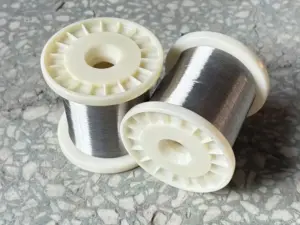
- NiCr elements offer good heat resistance, corrosion resistance, and high-temperature mechanical strength without deforming. They are easier to process and shape, but their resistivity is lower than that of FeCrAl.
The choice between the two depends on operating temperature, atmosphere, required service life, and how much forming the application needs.
Where Industrial Heating Elements Are Used
Industrial heating elements serve a broad range of requirements. Representative applications include:
Industrial furnaces. Heat treatment furnaces, forging heating furnaces, and glass melting furnaces depend on elements that can sustain high temperatures for long periods without degrading.
Household and commercial appliances. Ovens, electric heaters, high-end electric kettles, and coffee machines use elements designed for fast, even, and safe heating in daily use.
Advanced electronics. In the electronics industry, elements support devices such as electronic tubes and transistors, where precise thermal behavior is important.
Specialized industries. Aerospace components and high-performance medical equipment require materials with strict heat resistance, strength, and reliability.
HVAC and drying systems. Air conditioners and commercial drying ovens use heating elements to regulate air temperature and remove moisture.
Across these applications, the common requirement is a material and design that deliver stable, repeatable heat for the life of the equipment.
Product Spotlight: SPARK High-Quality NiCr & FeCrAl Metal Electric Heating Elements
The sections above covered how electric heating elements work in general. This section looks at a specific example: SPARK electric heating elements, premium alloy products engineered for high-performance thermal conversion.
A Brand Built on Material Expertise
SPARK is a core brand under Beijing Shougang Gitane New Materials Co., Ltd., a company with more than 70 years of expertise in special alloy manufacturing. The elements are backed by nearly 70 patented technologies and are produced through advanced smelting and processing techniques. This foundation supports three performance goals: rapid heating, high-temperature oxidation resistance, and energy efficiency.
Key Features
SPARK elements are built around a defined set of engineering priorities:
- Advanced material technology. Elements start from selected high-purity alloys, formed through specialized smelting, so quality is controlled at the source.
- High thermal performance. The design targets rapid temperature rise and high electrical-to-thermal energy conversion efficiency.
- Exceptional oxidation resistance. Materials hold stable performance in high-temperature environments, helping prevent premature aging or deformation.
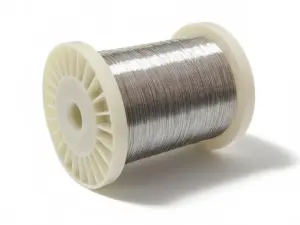
- Diverse material options. The range covers both FeCrAl and NiCr alloys, letting customers match the material to their operating conditions.
- Precision winding. SPARK spiral wires are produced on computer-controlled automatic winding machines for uniform pitch and stable resistance.
Technical Support Throughout the Lifecycle
GITANE SPARK provides professional support at every stage:
- Custom design. The team can design and manufacture non-standard helixes and shapes to specific user requirements.
- Expert consulting. 30% of the 400-strong workforce are technical professionals available to assist with material selection.
- Packaging excellence. Products are packed in plastic or foam and secured in wooden cases; for long-distance transport, iron plates are used for reinforcement to ensure zero-damage delivery.
- Flexible logistics. Sea, air, and express shipping are supported based on client urgency.
Conclusion
Choosing the right industrial heating element involves more than comparing materials. Operating temperature, oxidation resistance, electrical resistivity, component design, and manufacturing precision all affect performance and service life. Understanding the differences between FeCrAl and NiCr alloys helps buyers select a solution that fits their specific heating requirements.
SPARK offers FeCrAl and NiCr metal electric heating elements, with precision winding, customized shapes, and technical support for different applications. Contact the SPARK team to discuss your requirements and explore a suitable heating element solution for your project.
Frequently Asked Questions
1. What is an industrial heating element?
An industrial heating element converts electrical energy into heat for applications such as industrial furnaces, drying systems, and manufacturing equipment.
2. What is the difference between FeCrAl and NiCr heating elements?
FeCrAl offers higher electrical resistivity and strong high-temperature oxidation resistance, while NiCr provides good corrosion resistance, mechanical strength, and workability.
3. Can SPARK provide custom electric heating elements?
Yes. SPARK can design and manufacture non-standard helixes and shapes according to customer requirements, including customized dimensions and coil pitch.