Key Takeaways
- FeCrAl alloy wire is mainly used for resistance heating elements in high-temperature equipment.
- Its high electrical resistivity helps generate heat efficiently.
- Its aluminum content allows a protective alumina layer to form during oxidation.
- Common applications include industrial furnaces, heat-treatment equipment, sintering furnaces, and ceramic processing equipment.
- The right FeCrAl grade should be selected based on element temperature, furnace atmosphere, wire size, and heating cycle.
- Custom wire specifications may be required for specialized heating elements.
Introduction
High-temperature heating is essential to many industrial processes. Electric furnaces and heat-treatment equipment may operate at high temperatures for long periods. Under these conditions, the heating material must withstand heat while maintaining stable performance.
FeCrAl alloy wire is widely used for this purpose. It offers high electrical resistivity and strong oxidation resistance at elevated temperatures. As a result, it is well suited to many demanding heating applications.
But where are FeCrAl alloys used most often? The answer depends on the heating temperature, furnace design, and operating environment. The following sections explain the main applications and the factors that should be considered when selecting FeCrAl heating wire.
What Is FeCrAl Wire?
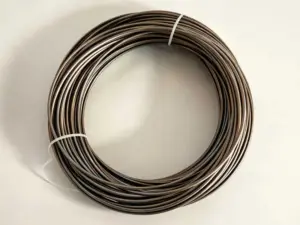
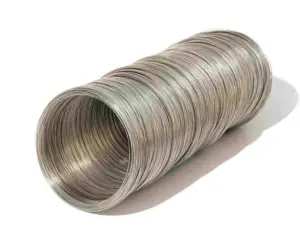
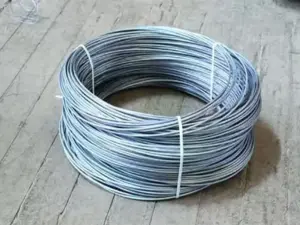
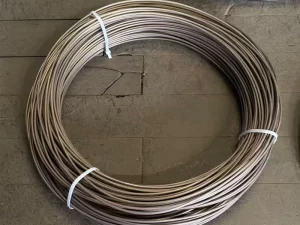
FeCrAl alloy wire is a resistance heating wire made mainly from iron, chromium, and aluminum. When an electric current passes through the wire, electrical resistance converts electrical energy into heat. For this reason, it is widely used to make an industrial heating element.
FeCrAl is a family of alloys rather than a single material. Different grades contain different levels of chromium and aluminum. These differences affect their high-temperature performance. Therefore, the alloy grade should be selected according to the required working conditions.
FeCrAl vs. NiCr: Key Differences in Heating Alloys
FeCrAl and NiCr are both widely used resistance alloys. Their main differences are related to composition, oxidation resistance, and temperature capability.
| Factor | FeCrAl | NiCr |
| Main elements | Fe, Cr, Al | Ni, Cr |
| Temperature capability | Very high | High |
| Oxidation resistance | Excellent | Good |
| Electrical resistivity | High | High |
| Typical strength | High-temperature applications | General heating applications |
When FeCrAl is heated in a suitable oxidizing atmosphere, its aluminum content promotes the formation of a protective alumina layer. This layer helps slow further oxidation.
NiCr mainly relies on a chromium-rich oxide layer for protection. It is also widely used in resistance heating.
For applications that require higher operating temperatures, FeCrAl is often considered a suitable option. However, the final choice should always be based on the actual service conditions.
Why Is FeCrAl Alloy Wire Suitable for High-Temperature Heating?
FeCrAl wire can operate at high temperatures while maintaining stable performance. Some grades can be used at around 1200°C or higher, depending on their composition and service conditions. Research has also shown that FeCrAl alloys can maintain strong oxidation resistance at elevated temperatures.
High-Temperature Performance
FeCrAl alloy wire can operate at high temperatures while maintaining stable performance. Some grades can be used at around 1200°C or higher, depending on their composition and service conditions.
The maximum operating temperature varies by grade. It also depends on element design and the surrounding environment. Therefore, the selected alloy should match the actual element temperature rather than the furnace temperature alone.
Strong Oxidation Resistance
FeCrAl alloy wire offers strong oxidation resistance at high temperatures. When the alloy is heated in air, aluminum reacts with oxygen to form a protective alumina layer on the surface. This slow-growing α-Al₂O₃ scale helps protect the alloy from further oxidation.
This layer slows further oxidation and helps protect the metal underneath. As a result, the heating element can maintain more stable performance during extended operation.
High Electrical Resistivity
FeCrAl alloys have relatively high electrical resistivity. This allows a heating element to generate heat when an electric current passes through it.
The required resistance can be adjusted through wire diameter and length. This gives engineers more flexibility when designing heating elements for different power requirements.
Good Shape Stability
FeCrAl wire can maintain its shape under high-temperature conditions when the appropriate grade and element design are used. This is important because excessive deformation can change the element’s position or affect heat distribution.
The design should therefore account for the operating temperature, wire size, support method, and heating cycle.
What Is FeCrAl Alloy Wire Used For?
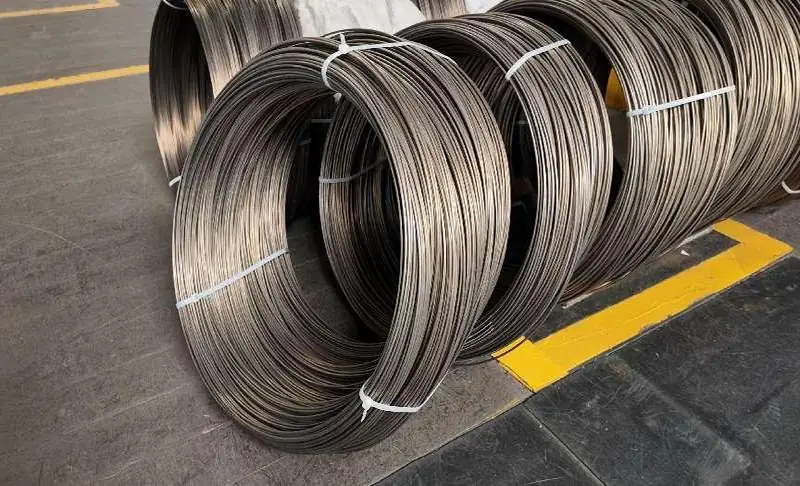
FeCrAl alloy wire is mainly used to manufacture resistance heating elements for high-temperature equipment. Depending on the application, the wire can be formed into coils, strips, or other element shapes.
Industrial Furnaces and Heat Treatment
Industrial electric furnaces are a major application for FeCrAl heating elements. Heat is generated as current passes through the resistance wire. The element then provides the heat needed to maintain the target process temperature.
FeCrAl wire is also used in heat-treatment furnaces. Processes such as annealing and hardening require controlled heating. Because the heating elements may remain hot for extended periods, oxidation resistance is an important factor.
Sintering and High-Temperature Processing
Sintering furnaces are used to heat metal powders and produce solid components. High-temperature heating is also required when ceramic materials are fired.
FeCrAl heating elements can be used in these applications when the operating temperature falls within the alloy’s service range. Furnace atmosphere should also be considered because it can affect element performance and service life.
Controlled-Atmosphere Furnaces
Some high-temperature processes are performed under vacuum or in a controlled atmosphere. In these applications, the heating element is exposed to conditions that differ from those found in air.
FeCrAl wire can be used in suitable equipment when the alloy grade is compatible with the furnace conditions. Both the element temperature and atmosphere should be evaluated before selection. This is especially important because the protective oxide layer depends on the surrounding environment.
Semiconductor and Photovoltaic Processing
High-temperature treatment is also used in parts of semiconductor and photovoltaic manufacturing. Stable heating is important because temperature variation can affect process results.
FeCrAl wire may be used for suitable heating elements when its temperature capability meets the process requirements. The wire grade and element design should be selected according to the specific equipment and operating conditions.
Where Are Custom FeCrAl Heating Elements Used?
Standard heating elements do not suit every high-temperature furnace. In some cases, the available space or heating method calls for a different element design. This is where custom FeCrAl heating elements can be used.
Industrial and Heat Treatment Furnaces
Custom elements are often used when the furnace has a specific chamber size or heating layout. In heat treatment equipment, the element may also need to follow a defined heating pattern. The wire can be formed to fit the available space.
Sintering and Radiant Heating
Sintering furnaces may require heating elements that fit closely around the heating zone. A custom shape can be used when standard coils cannot provide the required coverage.
For radiant heating, the element is shaped according to the required heating area. This helps place heat where it is needed.
Replacement Heating Elements
Custom FeCrAl elements are also used to replace worn or damaged furnace elements. When an existing furnace is kept in service, the replacement needs to fit the original installation. Its electrical requirements should also match the furnace design.
What Should You Look for in a FeCrAl Heating Wire Supplier?
Choosing high temperature heating wire should start with the required element temperature. The alloy grade must be suitable for the intended heating conditions. Wire diameter, electrical resistance, and element design should also be considered.
A standard alloy may be sufficient for common applications. However, specialized equipment may require a specific wire grade, size, or resistance value. In these cases, technical support from a heating element manufacturer can make material selection easier.
A Wide Range of FeCrAl Grades
GITANE’s FeCrAl heating alloy range includes grades such as SGHYZ,SGHT. Its premium FeCrAl grades can support continuous operation at up to 1400-1420 °C, depending on the grade and element design.
A wider alloy range makes it easier to select a material for different temperature requirements. Custom alloy specifications can also be discussed with the engineering team when standard grades are not suitable.
R&D and Production Capability
Consistent alloy composition is important for resistance wire performance. GITANE has focused on electric heating alloy research and production since 1956. Its production process covers material processing through finished wire products.
Key production steps include alloying, drawing, and annealing. These processes are controlled to maintain consistent electrical resistivity and mechanical properties. Such consistency is especially important for heating elements that operate under demanding conditions.
Support for Custom Heating Requirements
Not every furnace can use a standard heating element. Some projects require a specific wire grade or diameter. Others need an element that fits an existing furnace design.
GITANE provides technical support for specialized alloy requirements. Material grades and wire specifications can be discussed before production. This approach helps ensure that the selected FeCrAl wire is suitable for the intended heating application.
FAQ
What is FeCrAl alloy wire used for?
FeCrAl alloy wire is mainly used to make resistance heating elements for high-temperature equipment. Common applications include industrial furnaces, heat-treatment equipment, sintering furnaces, ceramic kilns, and other high-temperature heating equipment.
Why is FeCrAl suitable for high-temperature heating?
FeCrAl has relatively high electrical resistivity and strong oxidation resistance at elevated temperatures. Its aluminum content promotes the formation of a protective alumina scale during oxidation.
Is FeCrAl better than NiCr for high-temperature heating?
Not for every application. FeCrAl is often a good choice when high temperature and oxidation resistance are important. NiCr may be better suited to other heating requirements. The alloy grade and actual operating conditions should be compared before a final decision is made.
How do I choose the right FeCrAl wire?
Start with the actual heating-element temperature. Then consider the furnace atmosphere, required resistance, wire diameter, element design, heating cycle, and expected service life.
Can FeCrAl heating elements be customized?
Yes. FeCrAl wire can be formed into different heating-element designs. Custom wire dimensions and resistance values can also be considered when a standard element does not meet the furnace requirements. This can be especially useful when a custom heating element is required for existing equipment.
Conclusion
FeCrAl alloy wire is widely used for high-temperature resistance heating. It combines high electrical resistivity with strong oxidation resistance. These properties make it suitable for many furnace heating applications.
The correct FeCrAl grade should be selected according to the actual operating conditions. Element temperature is an important starting point. Furnace atmosphere, wire size, electrical requirements, and heating cycles should also be considered.
When a standard FeCrAl wire does not meet the required specifications, a custom solution may be needed. An experienced FeCrAl heating wire supplier can help evaluate the alloy grade, wire size, and other material requirements.
If you are looking for FeCrAl alloy wire for a high-temperature heating application, contact GITANE to discuss your requirements and find a suitable material solution.