Introduction
The renewable energy industry is developing rapidly, which creates higher requirements for advanced manufacturing technologies. Products such as solar cells, battery materials, and energy storage components often require precise high-temperature processing to maintain quality and performance.
However, traditional heating materials may face challenges such as oxidation, unstable resistance, and limited service life during continuous operation. A reliable high temperature heating wire can provide better thermal stability, oxidation resistance, and durability in demanding working conditions.
Among advanced heating materials, FeCrAl heating wires have become a practical solution for renewable energy manufacturing. This article explains how FeCrAl heating wires support high-temperature processing and improve the reliability of industrial heating applications.
Why Does Renewable Energy Manufacturing Require High-Temperature Heating Solutions?
Renewable energy products often require accurate thermal treatment to achieve stable performance. For example, photovoltaic manufacturing includes high-temperature processes such as silicon crystal growth and annealing. Battery production also depends on controlled heating during material processing and sintering.
These processes place strict requirements on heating materials. Heating elements must maintain stable temperatures, resist oxidation, and provide long-term reliability. When heating performance becomes unstable, product quality may be affected. At the same time, maintenance costs can increase.
Therefore, manufacturers need heating solutions that can deliver consistent performance during continuous high-temperature operations.
What Makes FeCrAl Resistance Wire Suitable for High-Temperature Applications?
High-temperature manufacturing environments require heating materials with excellent durability. Heating elements must withstand repeated heat exposure while maintaining stable performance over time. They also need to resist oxidation damage and provide accurate temperature control.
FeCrAl resistance wire is widely used in high-temperature applications because of its balanced material properties. The combination of iron, chromium, and aluminum enables the alloy to maintain mechanical strength, oxidation resistance, and stable electrical performance during long-term operation.
Excellent High-Temperature Resistance
High-temperature resistance is one of the key advantages of FeCrAl alloys.
FeCrAl resistance wire can operate reliably under extreme heat conditions. Its unique alloy structure helps maintain strength and stable performance even during continuous heating cycles.
Compared with conventional heating materials, FeCrAl alloys are better suited for industrial furnaces that require long-term operation at elevated temperatures. This reduces the frequency of heating element replacement and improves production stability.
Superior Oxidation Resistance for Longer Service Life
Oxidation is one of the main factors that affects heating element durability. When heating materials operate at high temperatures, oxidation can gradually damage the structure and reduce performance.
FeCrAl alloys provide excellent oxidation resistance because aluminum in the alloy forms a dense Al₂O₃ protective layer on the surface. This layer prevents further oxidation and helps protect the internal alloy structure.
As a result, FeCrAl resistance wire can maintain reliable performance for longer periods, making it suitable for demanding high-temperature environments.
Stable Electrical Performance for Precise Heating Control
Accurate temperature control is essential in high-temperature industrial processes. Heating materials need stable electrical properties to ensure consistent heat output.
FeCrAl resistance wire provides stable electrical resistivity during repeated heating cycles. This allows heating equipment to achieve more accurate temperature adjustment and maintain uniform heating performance.
With stable resistance and reliable heat output, FeCrAl alloys help improve process consistency and support efficient operation in high-temperature applications.
How Are FeCrAl Heating Wires Used in Renewable Energy Industries?
As renewable energy technologies continue to advance, manufacturers require reliable heating materials for different thermal processing stages. FeCrAl heating wires are widely used because they can provide stable heating performance under high-temperature conditions.
From solar cell production to energy storage materials, these heating wires help maintain accurate temperatures during critical manufacturing processes.
Photovoltaic Manufacturing
Photovoltaic production involves multiple high-temperature processes that require precise heat control. For example, silicon crystal growth and heat treatment require stable furnace temperatures to ensure material quality.
FeCrAl heating wires are commonly used in photovoltaic furnaces because they can maintain consistent heat output during long-term operation. Their high-temperature resistance and oxidation resistance improve furnace reliability during silicon processing.
Battery Material and Energy Storage Manufacturing
Battery materials also require controlled heating during production. Processes such as powder treatment and sintering depend on accurate temperature conditions to achieve the required material properties.
FeCrAl heating wires are suitable for these applications because they can operate continuously in high-temperature environments. Their stable electrical performance helps maintain consistent heating during repeated production cycles.
Other High-Temperature Clean Energy Applications
Besides photovoltaic and battery manufacturing, FeCrAl heating wires are also used in other advanced industrial fields. These applications include semiconductor processing, glass manufacturing, and high-performance material production.
With excellent heat resistance and stable performance, FeCrAl alloys provide reliable heating solutions for various high-temperature manufacturing processes.
How Should Buyers Choose the Right FeCrAl Heating Wire?
Selecting the right FeCrAl heating wire is essential for maintaining stable furnace performance. A high-quality heating wire should not only withstand high temperatures but also deliver reliable performance during long-term operation.
When evaluating heating materials, buyers should consider alloy quality, temperature capability, electrical stability, and manufacturing consistency. These factors directly influence heating efficiency, service life, and production reliability.
Check High-Temperature Performance and Material Stability
The first step is to determine whether the heating wire can meet the required working conditions.
A suitable FeCrAl heating wire should provide:
- Reliable performance under continuous high temperatures
- Strong oxidation resistance
- Stable mechanical properties during repeated heating cycles
- Consistent heat output during long-term operation
These features help reduce failures caused by overheating, oxidation, or material degradation. They also improve the overall reliability of heating equipment.
Consider Electrical Performance and Processing Quality
Stable electrical performance is important for accurate temperature control. A quality FeCrAl heating wire should maintain consistent resistance during operation, allowing heating equipment to provide steady power output.
In addition, wire dimensions and manufacturing accuracy also affect heating performance. Proper wire diameter and uniform material quality help ensure reliable operation across different furnace designs.
Choose a Manufacturer with Strong Technical Capability
The performance of FeCrAl heating wire depends not only on the alloy itself but also on the manufacturing process.
An experienced FeCrAl resistance wire manufacturer should provide strict quality control, customized processing options, and professional technical support. These capabilities help ensure that the heating wire meets the requirements of demanding renewable energy manufacturing applications.
Why Choose Gitane for High-Performance FeCrAl Heating Wire?
With advanced FeCrAl alloy technology, Gitane provides SPARK HRE 1350℃ high-performance heating wire for demanding high-temperature applications. The product is designed to deliver stable heating performance in industries such as photovoltaic manufacturing, semiconductor processing, and energy storage material production.
Professional Manufacturing Capability and Customized Support
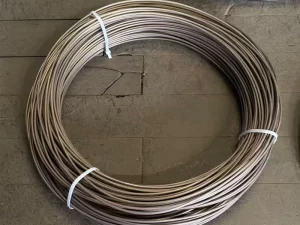
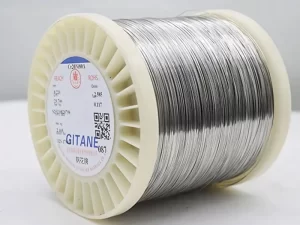
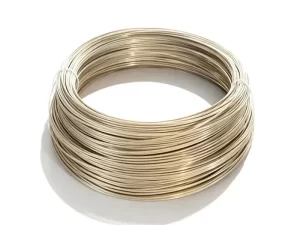
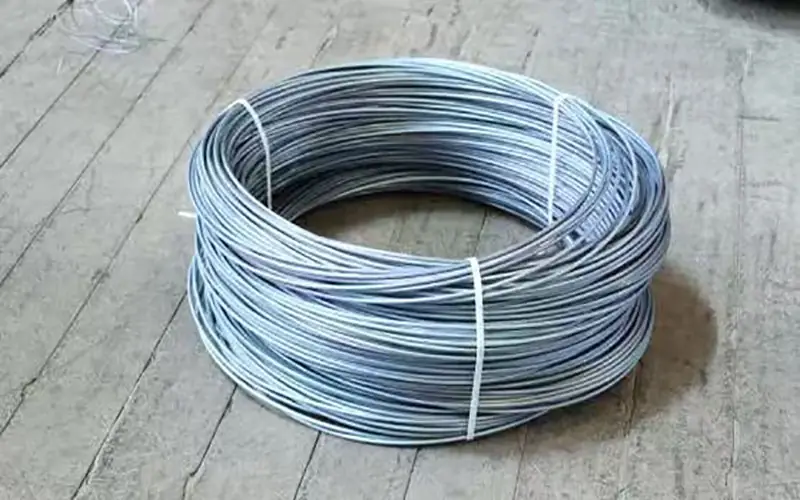
Gitane has extensive experience in electric heating alloy research and manufacturing. SPARK HRE heating wire is available in different forms, including round wire, ultra-fine fibers, strips, and customized processing options.
| Form | Specification Range |
| Round Wire / Linear | Various diameters (Customizable) |
| Thick & Thin Strips | Precision width and thickness for high power density |
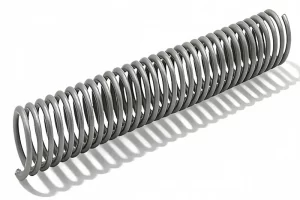
| Processing Services | Precision pre-wound spirals and custom shapes |
| Packaging | Plastic/foam + reinforced wooden cases (+ iron plates for long-distance transportation) |
Excellent High-Temperature Performance for Demanding Applications
High-temperature capability is one of the main reasons why manufacturers choose Gitane HRE heating wire.
SPARK HRE FeCrAl heating wire can operate continuously at temperatures up to 1350℃. Its optimized Fe-Cr-Al alloy composition, including approximately 23% chromium and 5.8% aluminum, helps maintain stable performance under extreme thermal conditions.
This makes it suitable for applications that require continuous heating, such as silicon processing, diffusion furnaces, and other high-temperature manufacturing processes. By maintaining reliable performance at elevated temperatures, HRE heating wire helps reduce unexpected downtime and improve production consistency.
Stable Material Properties for Longer Service Life
Long service life is another important factor when selecting heating materials.
During operation, SPARK HRE FeCrAl heating wire quickly forms a dense Al₂O₃ protective layer on the surface. This layer improves oxidation resistance and protects the alloy structure from high-temperature damage.
In addition, the alloy offers strong resistance to high-temperature deformation. Its stable structure allows heating elements to maintain their shape during repeated heating cycles, which helps improve furnace reliability.
FAQ
Q1. What is FeCrAl resistance wire used for?
FeCrAl resistance wire is commonly used in industrial furnaces, photovoltaic manufacturing, semiconductor processing, and other high-temperature heating applications.
Q2. Why is FeCrAl wire suitable for high-temperature applications?
FeCrAl wire can form a protective aluminum oxide layer during heating. This improves oxidation resistance and supports stable operation under high-temperature conditions.
Q3. What industries use high temperature heating wire?
Industries such as solar energy, battery material production, semiconductor manufacturing, glass production, and industrial furnace processing use high temperature heating wire for thermal treatment.
Conclusion
Renewable energy manufacturing relies on reliable heating materials to support continuous high-temperature processing. During production, heating elements must maintain stable performance while facing challenges such as extreme temperatures and oxidation.
FeCrAl heating wires provide an effective solution through excellent heat resistance, strong oxidation protection, and stable electrical performance. These advantages help manufacturers improve process reliability and reduce maintenance requirements in demanding applications.
Choosing the right resistance wire is an important step toward achieving efficient and stable thermal processing. With professional material technology and customized support, experienced suppliers can help customers select suitable heating solutions based on their specific requirements.
If you are looking for high-performance FeCrAl heating wire for renewable energy or other high-temperature applications, please contact us for professional support and customized solutions.