Introduction
Industrial electric furnaces typically rely on advanced heating elements to convert electrical energy into thermal energy. As a key component of industrial furnaces, the electric radiant tube plays a crucial role in industrial heating.
Electric radiant tubes provide indirect heating through thermal radiation. Compared to direct heating, radiant tubes help protect the heated materials from direct contact with the heating element while improving temperature distribution within the furnace.
According to statistics from the U.S. Department of Energy (DOE), industrial heating processes account for a significant proportion of industrial energy consumption. Therefore, efficient heating technology is a crucial factor in improving energy management.
High-quality radiant heating systems largely depend on the performance of their internal heating elements. The selection of appropriate materials, especially heating alloy wire, directly affects heating stability, oxidation resistance, and service life.
This article explains the structure, materials, applications, and selection factors of electric radiant tube heating elements, and introduces how GITANE’s high-quality NiCr and FeCrAl metal electric heating elements support industrial furnace heating solutions.
What Is an Electric Radiant Tube?
An electric radiant heating tube is a device that converts electrical energy into thermal energy to heat materials. The heating element is enclosed in a protective sleeve. After the power is turned on, heat is indirectly radiated to the furnace lining and the parts being processed through the casing.
A typical electric radiant tube consists of four main parts:
| Component | Function |
| Metal tube shell | Protects internal heating components from mechanical damage and furnace atmosphere |
| Heating alloy wire | Generates heat through electrical resistance |
| Insulation materials | Reduces heat loss and improves thermal efficiency |
| Electrical connection system | Provides stable power transmission |
The heating performance of a radiant tube depends heavily on the quality of the internal heating materials. A suitable heating alloy wire needs to maintain stable electrical resistance and mechanical strength under high-temperature conditions.
According to ASM International, resistance heating alloys such as FeCrAl and NiCr alloys are widely used in industrial heating applications because of their high-temperature stability and oxidation resistance.
Structure of Electric Radiant Tube Heating Elements
Heating Alloy Wire: The Core Heat-Generating Component
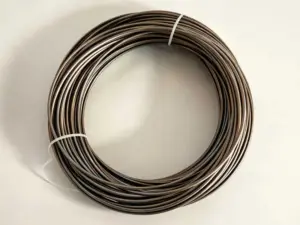
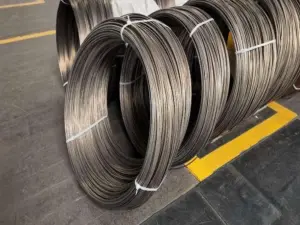
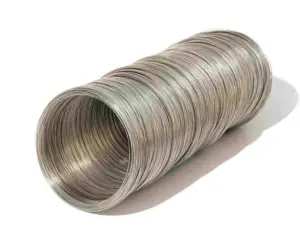
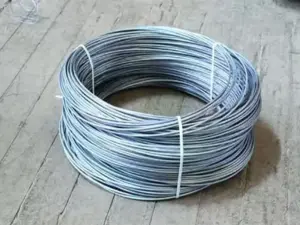
The heating alloy wire is the most important part of an electric radiant tube. When electrical current passes through the wire, electrical resistance converts energy into heat.
The quality of the heating wire directly affects the heating efficiency and heat resistance, and also affects the uniform heating process.
Choosing the right heating alloy wire helps achieve stable heating performance in the circuit, while reducing the risk of decreased heating effect due to oxidation or thermal stress.
Protective Tube and Sheath Structure
The main function of the outer protective layer is to protect the heating element from oxidation, corrosion, and impact, while also extending the service life of the radiant tube and improving its thermal radiation efficiency.
In industrial furnace applications, this protective structure enables the internal electric heating elements to operate under stable conditions while maintaining effective heat transfer.
The selection of tubing depends on factors such as furnace design, operating environment, and heating requirements.
Insulation and Connection System
The insulation layer and connection components are also important parts of a radiant tube system.
The insulation structure helps:
- Reduce unnecessary heat loss
- Improve energy utilization
- Maintain stable temperature control
The electrical connection system ensures reliable power delivery to the heating wire. Stable connections are essential because industrial furnaces often operate continuously for extended periods.
Materials Used in Electric Radiant Tube Heating Elements
When selecting a heating element, the choice of material is one of the most important factors. Different alloy materials are suitable for different operating conditions.
FeCrAl Alloy Heating Elements
FeCrAl alloys are among the most commonly used materials for high-temperature heating applications. They are composed mainly of iron, chromium, and aluminum.
A major advantage of FeCrAl materials is their oxidation resistance. During high-temperature operation, aluminum in the alloy can form a protective aluminum oxide layer on the surface. This helps prevent further oxidation and supports stable heating performance.
A FeCrAl heating element is widely used in industrial furnace applications because it offers:
- Excellent oxidation resistance
- Good high-temperature stability
- Reliable electrical resistance performance
- Suitable performance for continuous heating systems
NiCr Alloy Heating Elements
NiCr alloy is another widely used material for electric heating applications. It mainly consists of nickel and chromium and is known for its stable resistance characteristics and good mechanical properties.
Compared with FeCrAl alloys, NiCr alloys have relatively lower high-temperature resistance and oxidation resistance. However, they offer superior high-temperature creep resistance, processing ductility, and thermal shock resistance.
FeCrAl Heating Element vs NiCr Heating Element
When selecting heating materials, manufacturers need to consider the operating temperature, oxidation resistance, and mechanical strength of the heating wire.
Both FeCrAl and NiCr alloys are widely used for electric heating element manufacturing, but each material has different characteristics.
The following table provides a basic comparison:
| Feature | FeCrAl Heating Element | NiCr Heating Element |
| Main Material | Fe-Cr-Al Alloy | Ni-Cr Alloy |
| High Temperature Performance | Very Excellent | Excellent |
| Oxidation Resistance | Very High | High |
| Mechanical Strength | Good | Excellent |
| Resistance Stability | Stable | Stable |
How to Choose a Reliable Heating Element Manufacturer?
Choosing the right supplier is an important step for companies purchasing radiant tube heating components. A professional heating element manufacturer should not only provide heating wires but also offer material knowledge, manufacturing capability, and customized solutions.
Material Selection Capability
Reliable manufacturers should be able to recommend suitable materials based on customer needs, which means they must understand the differences between heating alloys. They should also have the capability to produce heating wires of various materials.
In terms of manufacturing, suppliers with experience in producing FeCrAl alloy heating wires can provide better support to customers requiring high-temperature heating solutions.
Manufacturing Technology
The manufacturing process directly affects the quality of heating elements.
Important production capabilities include:
- Precision winding
- Resistance control
- Quality inspection
- Consistent manufacturing processes
For example, uneven wire winding may cause unstable heating or localized overheating. Professional manufacturers use controlled production methods to maintain product consistency.
Why Choose Our Electric Heating Elements?
GITANE specializes in manufacturing high-quality metal electric heating elements using FeCrAl and NiCr alloy materials. The products are designed for industrial heating applications that require stable electrical performance and reliable operation.
GITANE heating elements provide several advantages:
Professional Technical Parameters
Different heating applications require different alloy characteristics.
GITANE provides:
| Feature | FeCrAl Heating Elements | NiCr Heating Elements |
| Primary Advantage | High Resistivity & Oxidation Resistance | High Strength & Corrosion Resistance |
| High Temp Stability | Not easily deformed at high temp | Excellent mechanical strength |
| Processing Performance | Brittle texture (requires careful handling) | Superior processing & shaping capability |
| Resistivity | Higher | Lower (relative to FeCrAl) |
| Typical Applications | Industrial heat treatment, ovens | Aerospace, medical, high-end electronics |
| Production Tech | Computer-controlled automatic winding | Computer-controlled automatic winding |
| Quality Standard | ISO9001 Certified | ISO9001 Certified |
The material selection allows customers to choose suitable heating components according to furnace requirements.
Wide Range of Applications
Our electric heating wires are widely used in industrial furnaces, home appliances, HVAC systems, advanced engineering applications such as electron tubes and transistors, as well as specialized industries such as aerospace components and medical equipment.
This wide range of applications demonstrates our strong manufacturing capabilities.
Customization Capabilities and Service Support
GITANE provides professional support throughout the product lifecycle:
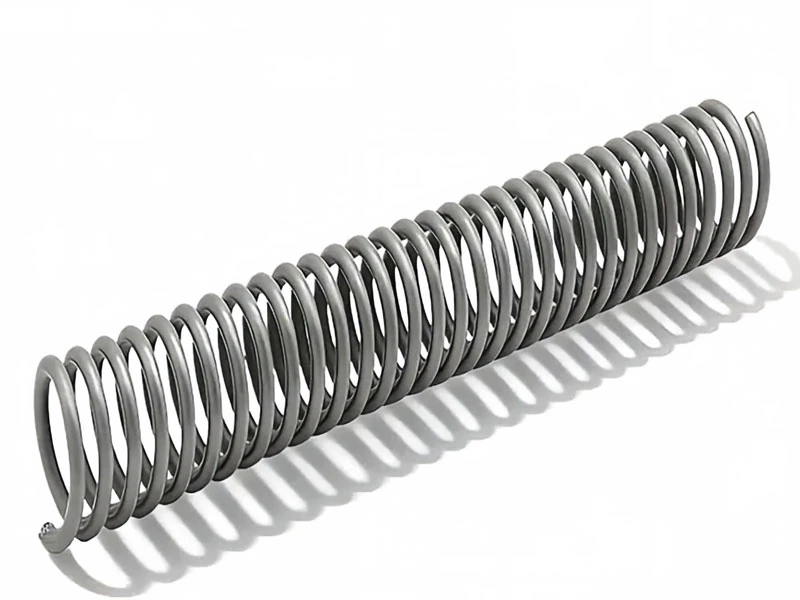
- Custom Design: Ability to design and manufacture non-standard helixes and shapes according to specific user requirements.
- Expert Consulting: 30% of our 500-strong workforce are technical professionals ready to assist in material selection.
- Packaging Excellence: Products are packed in plastic/foam and secured in wooden cases. For long-distance transport, iron plates are used for reinforcement to ensure zero-damage delivery.
- Flexible Logistics: Support for sea, air, and express shipping based on client urgency.
FAQ
Q1. What is an electric radiant tube?
An electric radiant tube is an industrial heating device that uses electrical energy to heat the heating element and then heats the furnace charge through thermal radiation.
Q2. What materials are used in electric radiant tubes?
Common materials include FeCrAl alloy and NiCr alloy. These materials are widely used because they provide good high-temperature stability and oxidation resistance.
Q3. Why are FeCrAl heating elements widely used in industrial furnaces?
FeCrAl heating elements are commonly used because they provide excellent oxidation resistance and stable performance during high-temperature operation. They can form a protective aluminum oxide layer that helps reduce oxidation.
Q4. What is FeCrAl alloy heating wire used for?
FeCrAl alloy heating wire is mainly used in high-temperature heating applications, including industrial furnaces and radiant heating systems where stable thermal performance is required.
Q5. How can I choose the right heating element manufacturer?
A suitable heating element manufacturer should provide reliable alloy materials, advanced manufacturing technology, customization capability, and quality control procedures.
Conclusion
Electric radiant tubes are important heating components in modern industrial furnace systems. Their performance depends on the structure, insulation design, and especially the quality of the internal heating materials. A well-designed radiant tube system can help achieve stable heat transfer, consistent temperature distribution, and reliable furnace operation in various industrial applications.
The selection of suitable heating alloy wire, FeCrAl, or NiCr materials can influence heating stability, oxidation resistance, and operational reliability. For different applications, manufacturers need to consider furnace design, temperature requirements, and production conditions to select the most suitable heating solution.
GITANE provides metal electric heating elements based on FeCrAl and NiCr alloy materials, offering customized solutions for industrial heating applications. With suitable material selection, precision manufacturing, and technical experience, reliable heating components can support stable operation in various industrial furnace environments while meeting different customer requirements.