Introduction
As industries such as energy storage, semiconductor manufacturing, and solar photovoltaic production continue to advance, high-temperature processing equipment requires heating materials with improved reliability, durability, and thermal stability.
In industrial environments, heating components often operate under continuous thermal cycles, elevated temperatures, and demanding working conditions. Compared with conventional thin wires, thick alloy heating wires provide stronger mechanical support and better structural stability, making them suitable for applications where long-term performance is essential.
Among different heating materials, FeCrAl alloys are widely used in high-temperature environments because of their oxidation resistance and ability to maintain performance during extended operation. This article explains how thick electric heating alloy wires support modern industrial heating systems and what factors should be considered when selecting heating materials.
Why Do Industrial Heating Systems Require Thick Alloy Wires?
Industrial heating systems, including industrial furnaces, heat treatment equipment, and thermal processing systems, require heating materials that can maintain reliable performance under continuous operation.
The diameter of a heating wire directly affects its electrical characteristics, structural strength, and suitability for different heating element designs. Compared with thinner wires, thick heating wires provide better mechanical support and allow manufacturers to develop larger and more robust heating structures, including coils, spirals, and customized heating configurations.
For industrial equipment manufacturers, selecting the appropriate wire diameter is an important part of heating system design. Factors such as power requirements, installation space, heating structure, and operating conditions all need to be considered to achieve efficient and reliable heating performance.
In demanding applications, thick alloy wires are often selected because they can meet the mechanical and design requirements of heavy-duty heating systems, including industrial furnaces and other high-temperature processing equipment.
Key Material Considerations for High-Temperature Heating Applications
Oxidation Resistance Determines Long-Term Performance
Oxidation is one of the major factors affecting the service life of heating materials. During continuous operation at elevated temperatures, exposure to oxygen can gradually affect the surface structure and performance of heating alloys.
FeCrAl wire is widely used in high-temperature applications because aluminum in the alloy can react with oxygen to form a dense alumina (Al₂O₃) protective layer. This oxide layer acts as a barrier that slows further oxidation and helps maintain material integrity during repeated thermal exposure.
Depending on alloy composition and operating conditions, many FeCrAl heating alloys are designed for continuous operation at temperatures up to around 1,300°C, making them suitable for industrial furnaces and other demanding thermal systems.
Stable Electrical Resistance Ensures Consistent Heat Output
Electric heating wire generates heat by converting electrical energy into thermal energy through resistance. Therefore, stable resistance characteristics are essential for maintaining predictable heating performance.
A high-quality resistance wire should maintain consistent electrical properties throughout manufacturing and operation. Significant resistance changes may affect heat distribution and reduce temperature control accuracy in heating equipment.
For applications such as industrial furnaces, thermal testing systems, and heat treatment equipment, stable resistance performance helps manufacturers achieve more uniform heating and reliable operation.
Mechanical Strength and Shape Stability Support Reliable Heating Elements
Heating elements often experience repeated expansion and contraction during operation. Without sufficient mechanical strength, heating wires may deform, become brittle, or lose their designed position inside the equipment.
Thick alloy wires provide improved mechanical stability, allowing manufacturers to produce reliable heating structures such as coils, straight wires, and customized heating elements. This characteristic is especially valuable for industrial applications where heating components need to maintain their designed shape throughout long operating cycles.
FeCrAl Wire vs NiCr Wire: How to Select the Right Heating Alloy?
FeCrAl and NiCr are two commonly used alloy systems for industrial heating applications. The right choice depends on factors such as operating temperature, atmosphere conditions, heating structure design, and required service performance.
FeCrAl wire is often selected for applications requiring excellent oxidation resistance and long-term operation at high temperatures, while NiCr-based materials are widely used in general heating elements where stable performance and corrosion resistance are required.
| Factor | FeCrAl Wire | NiCr Wire |
| Main Alloy System | Iron-Chromium-Aluminum alloy | Nickel-Chromium alloy |
| Protective Oxide Layer | Forms a stable alumina (Al₂O₃) layer | Forms a chromium oxide (Cr₂O₃) layer |
| Typical Continuous Operating Temperature | Up to around 1,425°C depending on grade and conditions | Up to around 1,250°C depending on grade and conditions |
| Density | Lower density | Higher density |
| Common Applications | Industrial furnaces, heat treatment equipment, high-temperature heating systems | General heating elements, industrial heaters, appliances |
Actual performance depends on alloy grade, heating atmosphere, temperature conditions, and equipment design.
For industrial users, material selection should focus not only on maximum temperature capability but also on oxidation behavior, mechanical properties, electrical characteristics, and compatibility with the heating system.
Applications of Thick Electric Heating Alloy Wires in Energy and Advanced Manufacturing Industries
Energy Storage Systems: Supporting Battery Testing and Thermal Management Equipment
The development and production of lithium-ion batteries require various thermal testing and temperature management processes to evaluate performance, safety, and reliability under different operating conditions. Battery testing equipment, environmental chambers, and thermal cycling systems rely on heating components to generate controlled and repeatable temperature conditions.
During long-duration testing cycles, heating elements are exposed to frequent temperature changes and continuous operation. Therefore, heating materials need to maintain stable resistance characteristics and structural integrity to ensure consistent thermal output.
Thick electric heating alloy wires are suitable for battery-related thermal equipment where durable heating components are required. Their mechanical strength and stable electrical performance help support heating systems used in battery evaluation, reliability testing, and other energy-related thermal applications.
Solar PV Manufacturing: Supporting High-Temperature Furnace Processes
Solar photovoltaic manufacturing relies on high-temperature furnace processes such as diffusion, oxidation, and annealing to modify silicon wafer properties and improve cell performance. These processes require furnaces to maintain controlled temperature profiles throughout production to ensure consistent processing conditions.
Heating elements used in PV furnaces are exposed to long operating cycles and repeated thermal exposure. The heating wire must maintain its shape, electrical characteristics, and oxidation resistance to support uniform heat distribution inside the furnace.
FeCrAl heating alloy wires are widely used in industrial furnace applications because they can form a stable alumina (Al₂O₃) protective layer during high-temperature operation. This characteristic helps improve oxidation resistance and supports long-term performance in thermal processing equipment used for photovoltaic manufacturing.
Applications of Thick Heating Alloy Wires in Semiconductor Manufacturing
Semiconductor Processing Furnaces and Thermal Equipment
Semiconductor manufacturing involves multiple thermal processes, including wafer oxidation, diffusion, annealing, and other heat treatment steps. These processes require precise temperature control because variations in thermal conditions may influence process consistency and device performance.
Heating components used in semiconductor furnaces must provide stable heat output while maintaining reliable operation under continuous thermal stress. In equipment such as wafer processing furnaces and thermal treatment systems, heating alloy wires with good oxidation resistance and mechanical stability help maintain consistent furnace performance.
For semiconductor equipment manufacturers, selecting suitable heating materials is an important factor in designing thermal systems that can operate reliably during extended production cycles.
Precision Heating Components for High-Temperature Semiconductor Processes
Beyond maximum operating temperature, semiconductor heating systems require materials with predictable electrical characteristics and long-term dimensional stability. Changes in heating element resistance or physical deformation may affect temperature distribution and process repeatability.
Thick alloy heating wires provide enhanced mechanical support for customized heating element designs, including coils and other formed structures used in industrial thermal equipment. Combined with appropriate alloy selection and manufacturing processes, these heating components help equipment manufacturers achieve stable thermal control in demanding semiconductor applications.
SPARK Golden Electric Heating Alloy Wire: A Reliable Solution for High-Temperature Industries
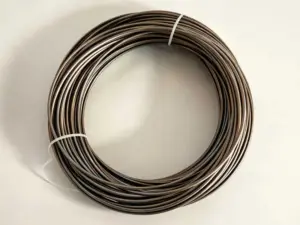
SPARK Golden Electric Heating Alloy Wire, developed by Beijing Shougang Gitane New Materials Co., Ltd., features a specialized pre-oxidation treatment that forms a stable oxide film on the surface, creating its distinctive golden appearance and improving oxidation resistance. Available in Fe-Cr-Al and Ni-Cr alloys, the wire can be customized for furnaces, thermal processing equipment, and other industrial heating applications.
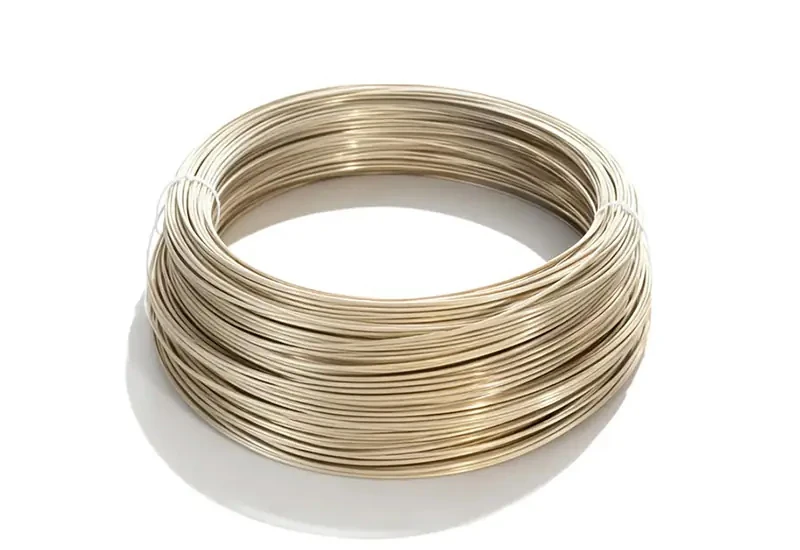
Technical Specifications of SPARK Golden Electric Heating Alloy Wire
| Parameter | Specification |
| Material Base | Fe-Cr-Al / Ni-Cr alloy |
| Diameter Range | 1.2 mm–5.0 mm |
| Surface Finish | Golden Continuous Annealed Wire |
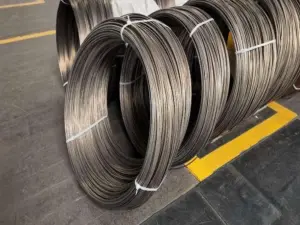
| Available Forms | Straight wire, spooled wire, pre-wound coils |
| Customization | Shape, length, resistance |
Key Advantages of SPARK Golden Electric Heating Alloy Wire
Stable Performance Under High-Temperature Conditions
SPARK heating alloy wires maintain strong mechanical properties under thermal stress, helping reduce deformation risks during continuous heating operation.
Consistent Resistance Performance
Precision manufacturing helps maintain uniform resistance characteristics throughout the wire, supporting consistent heat generation and reducing uneven heating risks.
Flexible Processing and Customization
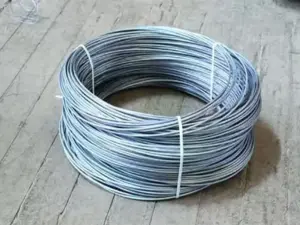
The wire maintains good processability despite the pre-oxidized surface treatment and can be supplied in different forms, including:
- Straight wire
- Spooled wire
- Pre-wound coils (spirals)
SPARK also provides customized solutions based on application requirements, including wire diameter adjustment, customized shapes, resistance design, and material selection for specific operating environments.
How to Choose the Right Thick Electric Heating Alloy Wire for Your Application?
Selecting the appropriate heating alloy wire requires consideration of operating conditions, equipment design, and long-term performance requirements. For industrial users, choosing the right material and specifications can directly influence heating efficiency, component reliability, and maintenance requirements.
Evaluate Operating Temperature and Working Environment
The first consideration is the actual operating temperature of the heating system. Different applications, such as an electric resistance furnace, heat treatment furnace, or semiconductor thermal equipment, may require different levels of temperature resistance and oxidation protection.
In addition to temperature, manufacturers should evaluate the working atmosphere, including exposure to air, protective gases, or other operating conditions that may influence oxidation behavior and material performance.
Select Suitable Wire Diameter and Resistance Characteristics
Wire diameter affects electrical resistance, mechanical strength, and heating performance. Thick heating wires are often selected for industrial applications requiring stronger structural support and stable operation under thermal stress.
The resistance value should also match the equipment design to ensure appropriate power output and uniform heat distribution. Selecting a suitable combination of diameter and resistance helps manufacturers develop reliable heating elements for different industrial systems.
Consider Customization Requirements
Industrial heating systems often require customized solutions rather than standard wire specifications. Factors such as coil dimensions, installation space, power requirements, and operating conditions may affect the final heating element design.
Working with an experienced heating alloy manufacturer allows customers to customize wire shape, diameter, resistance, and material selection according to specific application requirements.
Frequently Asked Questions
Q1: Why are thick electric heating alloy wires used in industrial furnaces?
A: Thick electric heating alloy wires are used in industrial furnaces because they provide higher mechanical strength, stable resistance performance, and better durability under continuous high-temperature operation. They are suitable for heating elements that need to maintain structural stability during repeated heating cycles.
Q2: What industries use FeCrAl heating alloy wires?
A: FeCrAl heating alloy wires are commonly used in high-temperature industrial applications, including heat treatment equipment, industrial furnaces, thermal processing systems, energy-related equipment, and semiconductor manufacturing equipment where oxidation resistance and long-term stability are required.
Q3: What are the advantages of pre-oxidized heating alloy wire?
A: Pre-oxidized heating alloy wire features a protective oxide layer formed through controlled heat treatment. This surface layer helps improve oxidation resistance and provides additional stability during high-temperature operation while maintaining the wire’s mechanical and electrical properties.
Conclusion
Thick electric heating alloy wires are an important material choice for industrial heating systems that require reliable performance under demanding thermal conditions. Their larger diameter, stable electrical characteristics, and mechanical strength make them suitable for applications ranging from energy-related thermal equipment to semiconductor and photovoltaic manufacturing systems.
Among different heating materials, FeCrAl-based alloys continue to be widely used for high-temperature applications due to their oxidation resistance and long-term operating stability. Selecting the appropriate alloy composition, wire diameter, and processing form is essential for achieving reliable heating performance.
With advanced heat treatment technology, precision manufacturing capabilities, and customized production support, SPARK Golden Electric Heating Alloy Wire provides industrial customers with dependable solutions for furnaces, thermal processing equipment, and other high-temperature heating applications.