Introduction
From metal processing to heat treatment, industrial furnaces often operate under extreme temperatures for long periods. However, maintaining stable heating performance while reducing energy consumption remains a major challenge for many manufacturers.
For high-temperature applications, FeCrAl alloy wire has become an important material choice. It offers excellent oxidation resistance, high-temperature strength, and long service life. These advantages help heating elements maintain stable performance in demanding industrial environments.
This article explains how ultra-high temperature FeCrAl alloy improves energy efficiency in industrial heating applications. It also highlights why selecting the right high temperature heating wire and a reliable heating element supplier is essential for long-term furnace performance.
Why Do Industrial Heating Processes Consume High Energy?
Industrial heating processes require significant energy because furnaces must reach and maintain high temperatures for extended periods. Even a small decline in heating efficiency can lead to noticeable increases in energy consumption.
The challenge is not only the amount of electricity used. More importantly, manufacturers need to ensure that heat is generated efficiently and maintained consistently. When heating elements cannot deliver stable performance, furnaces often require additional power to compensate for heat loss and temperature changes.
Heat Loss Caused by Poor Temperature Stability
During continuous operation, heating elements experience repeated heating and cooling cycles. These temperature changes gradually affect material performance.
If the heating alloy cannot withstand long-term exposure to high temperatures, problems such as oxidation, deformation, and resistance changes may occur. As resistance changes, the heating output may become unstable.
Frequent Heating Element Replacement Increases Energy Waste
The service life of heating elements also influences overall energy efficiency. When components fail earlier than expected, manufacturers need to replace them more frequently. This not only increases maintenance costs but also interrupts production schedules.
High-temperature heating elements must withstand oxidation, creep, and mechanical stress. If the material loses strength over time, the element may deform or fail before reaching its expected service life.
How Does FeCrAl Alloy Improve Industrial Heating Efficiency?
Compared with many traditional heating materials, FeCrAl alloy provides excellent oxidation resistance, stable electrical performance, and strong durability at elevated temperatures.
These properties directly influence the performance of industrial furnace heating elements. A heating element must do more than generate heat. It must also maintain reliable performance throughout long operating cycles.
Strong Oxidation Resistance Extends Heating Element Service Life
Oxidation is one of the most common challenges for heating elements used at high temperatures. When metal materials are exposed to oxygen for extended periods, surface damage may gradually develop.
FeCrAl alloy wire has a key advantage because it can form a protective aluminum oxide layer during high-temperature operation. This dense oxide layer slows further oxidation and helps maintain the stability of the heating element.
Stable Electrical Resistance Supports Efficient Heating
Electrical resistance determines how effectively a heating material converts electrical energy into heat. A stable resistance value allows heating elements to provide consistent heat output during operation.
FeCrAl alloy wire has relatively high electrical resistivity, which enables manufacturers to design compact heating elements with efficient power output. This characteristic is especially valuable for furnaces that require accurate temperature control.
High-Temperature Strength Maintains Heating Performance
Industrial heating elements often operate under continuous thermal stress. Over long periods, extreme temperatures may cause some materials to soften, deform, or lose their original shape.
FeCrAl alloy provides excellent high-temperature strength and creep resistance. It helps heating elements maintain their shape even after extended exposure to high temperatures.
This stability is important because deformation can lead to uneven heat distribution inside a furnace. When heating elements move or sag, some areas may receive excessive heat while others may not reach the required temperature.
Applications of FeCrAl Alloy in High-Temperature Industries
FeCrAl alloy wire is widely used in industries that require continuous heating at high temperatures. These applications usually involve long operating cycles, strict temperature requirements, and demanding working environments.
Industrial Furnace Heating Elements
Industrial furnaces are one of the most common applications for FeCrAl alloy wire. These furnaces often operate at high temperatures for extended periods, placing continuous stress on heating elements.
During repeated heating cycles, the material must withstand oxidation and thermal expansion. If heating elements lose strength or change shape, heat distribution inside the furnace may become uneven.
By maintaining stable performance at high temperatures, FeCrAl alloy helps heating elements deliver reliable heat output throughout long production cycles.
Semiconductor and Photovoltaic Manufacturing
Semiconductor and photovoltaic manufacturing require precise temperature control. Even minor temperature variations can influence material properties and final product performance.
FeCrAl alloy wire helps maintain stable heating performance in these demanding environments. Its reliable electrical properties make it suitable for applications that require accurate temperature management.
Glass and Advanced Material Processing
Glass manufacturing and advanced material processing often involve continuous high-temperature operation. Heating elements in these industries must work reliably because production lines usually run for long periods with limited downtime.
With strong high-temperature stability and oxidation resistance, FeCrAl alloy supports consistent furnace performance and helps improve overall production efficiency.
How to Choose a Reliable Heating Element Supplier?
Selecting the right heating element supplier is important for ensuring stable furnace operation and long-term performance.
The right supplier can help customers choose suitable materials, optimize heating element design, and reduce potential performance issues during operation.
Strong Material Development Capability
High-temperature heating applications require materials that can perform reliably under extreme conditions.
An experienced supplier should have strong knowledge of alloy development and material improvement. This expertise allows them to recommend suitable solutions based on different furnace designs and operating environments.
Strict Quality Control and Performance Testing
Consistent material performance is essential because small differences in alloy composition can affect electrical properties, oxidation resistance, and service life.
Before delivery, heating materials should be tested for key performance characteristics, including:
- Chemical composition accuracy
- Electrical resistance stability
- High-temperature oxidation resistance
- Mechanical strength at elevated temperatures
These tests help ensure that the FeCrAl alloy meets the requirements of demanding industrial heating applications.
Customization and Technical Support
Different industrial furnaces have different heating requirements. A standard material may not always provide the best solution for every application.
A professional supplier should offer customized options, including different wire diameters, strip sizes, and alloy specifications.
By working with an experienced heating element supplier, manufacturers can improve heating reliability and achieve better long-term operating results.
Why Choose GITANE SPARK SGHT FeCrAl Alloy?
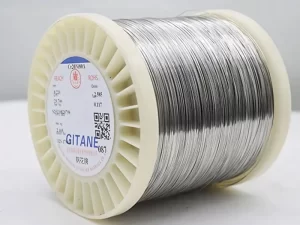
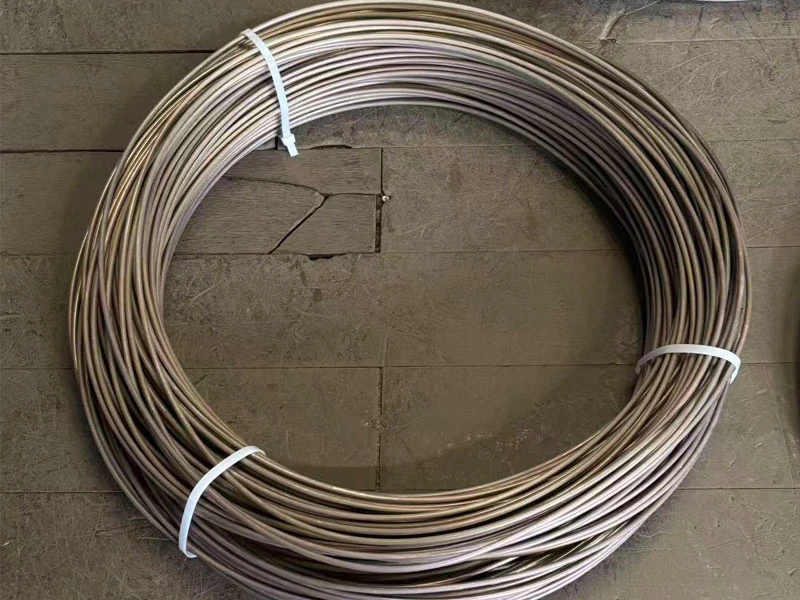
GITANE SPARK SGHT Ultra-High Temperature Electric Heating Alloy (Fe-Cr-Al) is designed for demanding high-temperature heating applications.
It combines advanced alloy technology with excellent high-temperature performance. The material allows heating elements to operate reliably at temperatures up to 1420°C.
SPARK SGHT is developed for applications that require long service life, stable electrical performance, and strong resistance to thermal stress.
Core Performance Data
The key technical parameters of SPARK SGHT are shown below:
| Property Item | Specifications & Performance |
| Maximum Operating Temperature | 1420°C |
| Production Technology | Powder Metallurgy + Hot Isostatic Pressing |
| Surface Finish | Bright surface with precise dimensions |
| Resistant Atmospheres | Suitable for corrosive, carbon-containing, and high power density environments |
| Creep Resistance | Excellent creep resistance with minimal deformation at high temperatures |
| Resistance Stability | Stable resistance change throughout long service life |
The excellent performance of SPARK SGHT makes it suitable for applications where heating elements must operate continuously under severe thermal conditions, including high-temperature furnaces, ceramic kilns, and heat treatment equipment.
Longer Service Life with Better Creep Resistance
Heating elements often experience mechanical stress during long-term high-temperature operation. Over time, some materials may deform or sag, which can affect heat distribution inside the furnace.
SPARK SGHT FeCrAl alloy provides excellent creep resistance. It helps heating elements maintain their original shape during continuous use.
This reduces performance loss caused by deformation and helps extend maintenance intervals. As a result, manufacturers can achieve more stable furnace operation with fewer interruptions.
Stable Electrical Properties Improve Heating Efficiency
Electrical resistance stability is another important factor for industrial heating materials.
When resistance changes significantly during operation, heat output may become inconsistent. This makes temperature control more difficult and may increase energy consumption.
SPARK SGHT maintains stable resistance characteristics during high-temperature service. This allows heating elements to deliver predictable heat output and supports accurate temperature control in industrial furnaces.
FAQ
Q1. What temperature can SPARK SGHT FeCrAl alloy withstand?
SPARK SGHT Ultra-High Temperature Electric Heating Alloy (Fe-Cr-Al) is designed for ultra-high-temperature heating applications. It can operate at temperatures up to 1420°C.
The alloy is suitable for industrial furnaces and other high-temperature equipment that requires stable performance, long service life, and reliable heat output.
Q2. Why is oxidation resistance important for heating elements?
Oxidation resistance helps heating elements maintain their structure and performance during continuous high-temperature operation.
When heating materials resist oxidation, they can reduce surface degradation and maintain stable electrical properties for a longer period. This helps extend service life, reduce replacement frequency, and improve furnace reliability.
Q3. How does FeCrAl alloy improve industrial furnace efficiency?
FeCrAl alloy helps improve furnace efficiency by maintaining stable electrical resistance and consistent heat output during operation.
Its oxidation resistance and high-temperature strength allow heating elements to work reliably for longer periods. This reduces temperature fluctuations, minimizes energy waste, and supports more stable furnace performance.
Q4. Can GITANE provide customized FeCrAl alloy solutions?
Yes. GITANE provides customized FeCrAl alloy solutions based on different application requirements.
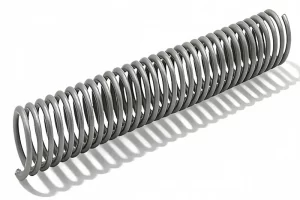
The company supports the design and manufacture of non-standard helixes, tube configurations, and other customized heating element structures.
Conclusion
Industrial heating efficiency depends on more than furnace design and operating conditions. The performance of heating elements also plays an important role in maintaining stable temperatures, reducing energy waste, and extending equipment service life.
Choosing an experienced heating element supplier can also help customers receive reliable material solutions, technical support, and customized heating options for different applications.
GITANE SPARK SGHT Ultra-High Temperature Electric Heating Alloy (Fe-Cr-Al) is developed for demanding high-temperature environments. With operating temperatures up to 1420°C, excellent creep resistance, and stable resistance characteristics, it provides a reliable solution for advanced industrial heating applications.
If you are looking for a high-performance FeCrAl alloy solution for your industrial application, contact GITANE to discuss your requirements and find the right heating material for your project.