Introduction
Solar energy manufacturing relies on heat at several critical stages. Silicon must be purified and melted before it can be processed into wafers. Controlled heating is also required during solar cell production.
Precise temperature control is essential throughout these processes. Stable heating helps maintain consistent furnace conditions, which supports reliable production quality.
However, high temperatures place greater demands on heating elements. They must remain stable during long operating cycles. They also need to resist oxidation and deformation as temperatures rise.
So, how does high-temperature heating technology support solar energy manufacturing? The following sections explain its role in key manufacturing processes and why heating element performance matters.
Why Does Solar Energy Manufacturing Require High-Temperature Processing?
Solar photovoltaic manufacturing depends on heat at several stages. Crystalline silicon remains the main material used in commercial photovoltaic modules. Some production processes require temperatures that conventional heating materials cannot handle effectively.
High Processing Temperatures
Silicon must be heated to very high temperatures during melting and crystal growth. Heating elements must remain stable under these conditions. Therefore, high-temperature heating materials are needed for demanding furnace applications.
Stable Temperature Control
Precise thermal conditions are required during solar manufacturing. Even a small temperature change can affect the quality of the material being processed. Reliable heating helps keep the furnace temperature stable throughout production.
Long Operating Cycles
Solar production often involves continuous furnace operation. Heating elements may remain at high temperatures for extended periods. They therefore need good oxidation resistance and high-temperature strength. These properties can help reduce premature failure during prolonged operation.
Higher Temperature Requirements
Some silicon processing steps operate at extremely high temperatures. Under these conditions, conventional heating wires may reach their performance limits. FeCrAl resistance wire can be considered when a higher temperature capability is required.
How Does Advanced Electric Heating Technology Improve Solar Manufacturing Efficiency?
Advanced electric heating technology can improve furnace performance when the heating material is properly matched to the operating conditions. In solar manufacturing, the main benefits include stable heating, predictable power use, and longer service life.
Better Energy Performance
Resistance heating converts electrical energy into heat. When electrical resistance remains stable, heat output can be controlled more predictably. This makes furnace power management easier.
The heating element should also be selected according to the required temperature, power level, and element size. With the right material and design, engineers can achieve more precise furnace performance.
Better Resistance to Oxidation
Heating elements operate under demanding conditions at high temperatures. Over time, oxidation can weaken the material and shorten its service life.
High-temperature FeCrAl alloys are valued for their oxidation resistance. When heated, a protective oxide layer can form on the surface. This layer helps protect the material during repeated high-temperature operation.
Greater High-Temperature Strength
Heating wires can deform when they remain under load at high temperatures. If the wire changes shape, its position inside the furnace may also be affected.
A suitable FeCrAl alloy can provide better resistance to deformation. This makes it a practical option for furnaces that operate at elevated temperatures for extended periods.
What Are the Future Trends in High-Temperature Heating Technology for Renewable Energy Manufacturing?
Renewable energy manufacturing is moving toward more efficient production methods. At the same time, many processes still depend on high-temperature treatment. As a result, industrial heating materials are facing new performance requirements.
Growing Demand for Electric Heating
More industrial processes are expected to use electricity for heat. The IEA projects that electricity use for industrial process heat will continue to grow through 2030.
This trend is also relevant to solar manufacturing. PV production already requires significant amounts of electricity. As production expands, reliable electric heating will become increasingly important.
For manufacturers, this means high temperature heating wire will need to provide stable performance under demanding operating conditions.
Higher Requirements for Heating Elements
Solar manufacturing continues to evolve. New production methods may require tighter temperature control or higher operating temperatures.
As a result, heating elements will face greater performance demands. Longer service life will become more important as furnaces operate for extended periods. Oxidation resistance will also become increasingly important at higher temperatures.
For buyers, the initial purchase price is only one factor to consider. Material quality can also affect maintenance requirements and long-term operating costs.
Continued Development of FeCrAl Heating Materials
FeCrAl alloys are already used for high-temperature electric heating. Future development is expected to focus on improving their performance at higher temperatures.
Better oxidation resistance can help extend element life. Greater high-temperature strength can reduce deformation. More consistent electrical properties can also make heating elements easier to design.
For solar manufacturers, these improvements can provide greater confidence when selecting FeCrAl resistance wire for high-temperature production.
Why Is SGHYZ 1400 Heating Wire Suitable for Solar Energy Manufacturing?
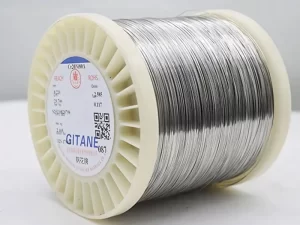
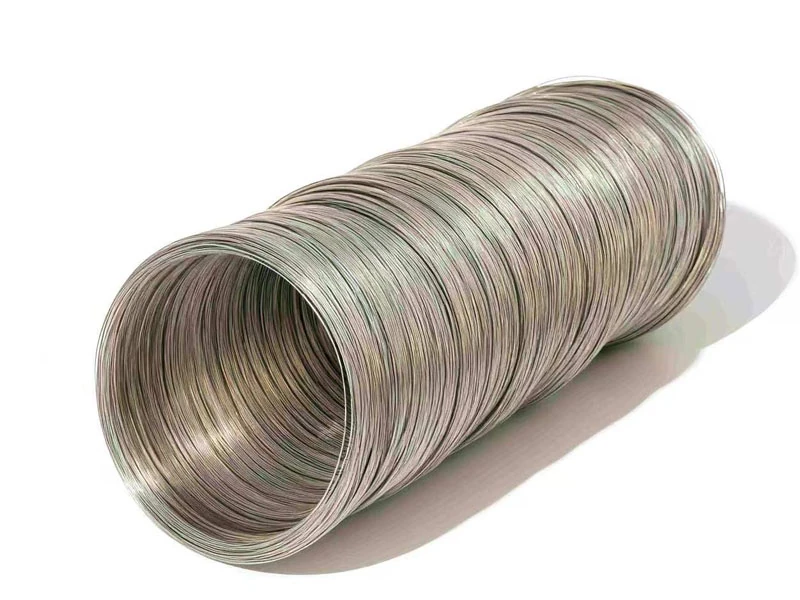
For high-temperature solar manufacturing, heating wire performance can directly affect furnace operation. GITANE provides SGHYZ 1400 as a high-temperature FeCrAl heating alloy for demanding furnace applications. It is designed for continuous operation at temperatures up to 1400°C. It is also suitable for photovoltaic crystal processing and solar silicon heat treatment.
Continuous Operation at Up to 1400°C
Solar silicon processing can require very high furnace temperatures. SGHYZ 1400 is designed for continuous service at up to 1400°C. This gives manufacturers greater flexibility when high-temperature processing is required.
Strong Oxidation Resistance
Oxidation can gradually damage heating wire at high temperatures. SGHYZ 1400 uses a FeCrAl alloy with rare-earth additions. During operation, a protective oxide layer can form on the surface. This helps slow oxidation during prolonged heating.
Better Resistance to Deformation
Heating wire may deform when it remains at high temperatures for long periods. This can affect the position of the element inside the furnace.
SGHYZ 1400 is designed to provide good creep resistance at high temperatures. Its reported high-temperature strength reaches 20 MPa at 1000°C. This helps the element maintain its shape during demanding operation.
Stable Electrical Performance
Stable resistivity makes it easier to control the heating load. SGHYZ 1400 has a resistivity of 1.45 ± 0.07 μΩ·m at 20°C. Temperature correction data is also available for higher operating temperatures.
This information helps engineers select the appropriate wire size. It can also be used to estimate power requirements during furnace design.
Key Specifications of SGHYZ 1400
| Parameter | Specification |
| Alloy | FeCrAl |
| Max. Service Temperature | 1400°C |
| Resistivity at 20°C | 1.45 ± 0.07 μΩ·m |
| High-Temperature Strength | 20 MPa at 1000°C |
| Round Wire Diameter | 0.1–9.0 mm |
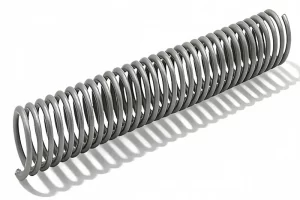
| Available Forms | Round wire, flat wire, flat strip, and customized heating elements in spiral or other shapes |
FAQ
Q1. What should I consider when choosing high temperature heating wire for solar manufacturing?
Start with the required working temperature. Then consider oxidation resistance, high-temperature strength, electrical stability, and expected service life.
Q2. Why is FeCrAl resistance wire suitable for high-temperature furnaces?
FeCrAl resistance wire offers good high-temperature performance and oxidation resistance. A protective oxide layer can form during heating, which helps reduce oxidation during prolonged operation.
Q3. What temperature can high temperature heating wire withstand?
The temperature rating depends on the alloy grade and operating conditions. High-performance FeCrAl alloys can support continuous operation at temperatures of up to 1400°C.
Q4. How can resistance heating wire improve furnace efficiency?
Stable electrical properties help maintain consistent heat output. Proper wire selection also makes power control more predictable.
Q5. How can I extend the service life of high temperature heating wire?
Choose a wire grade that matches the furnace temperature and operating conditions. Proper element design can also help reduce deformation and premature oxidation.
Conclusion: Supporting Solar Manufacturing with High-Temperature Heating
Thermal processing plays an important role in solar manufacturing. High temperatures are required during silicon processing and other key production stages. As manufacturing technology develops, heating elements will face greater demands for stable performance.
For this reason, the right resistance heating wire should be selected according to the furnace temperature and operating conditions. FeCrAl heating wire is a suitable option for high-temperature applications because it offers good oxidation resistance and high-temperature strength.
For demanding applications, GITANE SGHYZ 1400 supports continuous operation at temperatures up to 1400°C. Its stable electrical properties also allow it to be used in different heating element designs.
If you need high temperature heating wire for solar manufacturing, a resistance wire manufacturer such as GITANE can provide material suited to your application. Contact GITANE today to discuss your furnace temperature, heating requirements, and suitable wire specifications.