When a replacement element fails in the same furnace zone, start your heating element failure analysis by comparing the events. Map the damage to the same equipment reference points, then line up the part history and the operating changes. A fresh element can fail where an older one did even when the two parts came from different orders.
This guide shows how to build that comparison, test several explanations against the records and check whether an approved change improved the result.
Key Takeaways
- Record the damage location on both the furnace layout and the element drawing.
- Compare equipment changes, operating history and part batches across events.
- Choose comparison runs with known similarities and differences.
- Record evidence that challenges each explanation.
- Define how you will assess an approved change before reviewing the follow-up results.
Start Heating Element Failure Analysis With the Repeat Pattern
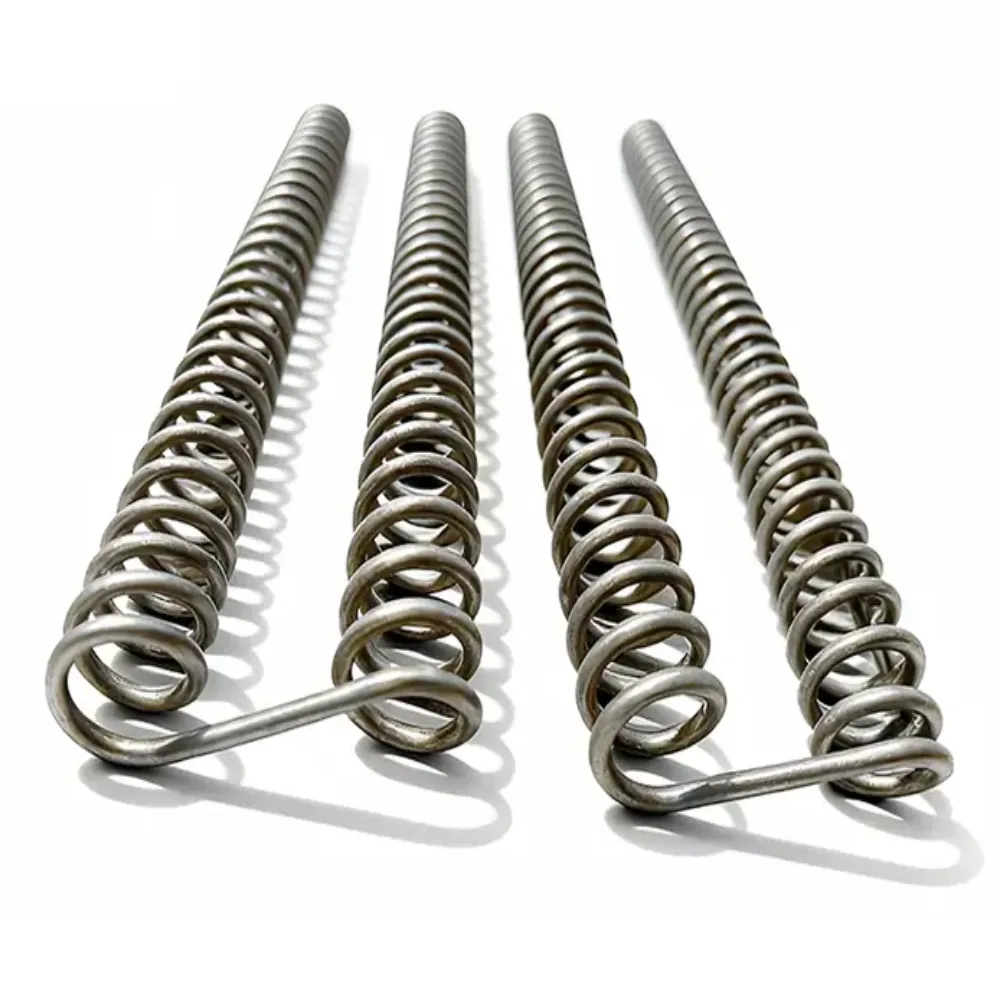
Map the Position in the Furnace
Use a consistent label for the zone, support or terminal on the furnace drawing. Then identify the damaged position on the element itself. A break near the end of a winding and a break next to a fixed support are two observations with different reference points. Keep both labels even when they describe the same damage.
For heating element failure analysis, use an equipment view that lets you compare one incident with the next. A close photo can show damage, while a wider view shows where the part sat. Mark the viewing side and name any feature that was already moved when the photo was taken.
Record the difference between the time a problem was first noticed and the time the element was inspected. A stop in the process log may provide a time reference, while the inspection gives the location. If the onset is unclear, leave it open.
Keep the Comparison Focused
State what repeats before naming a cause. For example, the same support location may appear across several incidents, or the same part lot may appear in more than one zone. A heating element failure analysis record should make both patterns visible.
For an overview of observations to collect from a damaged part, use the industrial element diagnosis guide. Keep the repeat event record as a separate view of the history.
Send SPARK the part drawing and marked failure locations to discuss the element specification and any material or geometry questions.
Build a Timeline Across Replacements
Match Each Event to the Part and the Process
Give each incident its own row. Include the install date, drawing revision, known batch and the last confirmed period of normal service. Keep the date the problem was found separate from any estimate of when it began.
For heating element failure analysis, record which equipment changes took place between incidents. Useful records may include work on supports, changes to the load arrangement or a change in the control schedule. Use the dated work order or process record when it is available.
Ask which conditions were measured and which were reported by an operator. If a change is known only to have occurred between two dates, enter that range. This helps the team avoid putting an event in the wrong order.
| Record field | What to compare across incidents |
|---|---|
| Furnace reference | Zone, support or terminal ID and viewing side |
| Part reference | Drawing revision, lot if known and install date |
| Process history | Cycle, load and atmosphere records |
| Detection | Alarm, inspection or operator observation and date |
| Work history | Documented changes before and after the event |
| Confidence | Confirmed source, reported detail or unknown |
Illustrative scenario: A Different Lot Fails in the Same Zone
A furnace team replaces an element and later finds another break at the same support position. The orders list different lots. The team adds both incidents to its heating element failure analysis timeline and checks whether the support layout or process cycle changed between them.
The location is now a useful lead. The lot records help the team decide which checks could separate a local condition from a material question. It keeps both explanations open while it looks for comparable records from other positions.
Choose a Comparable Zone or Run
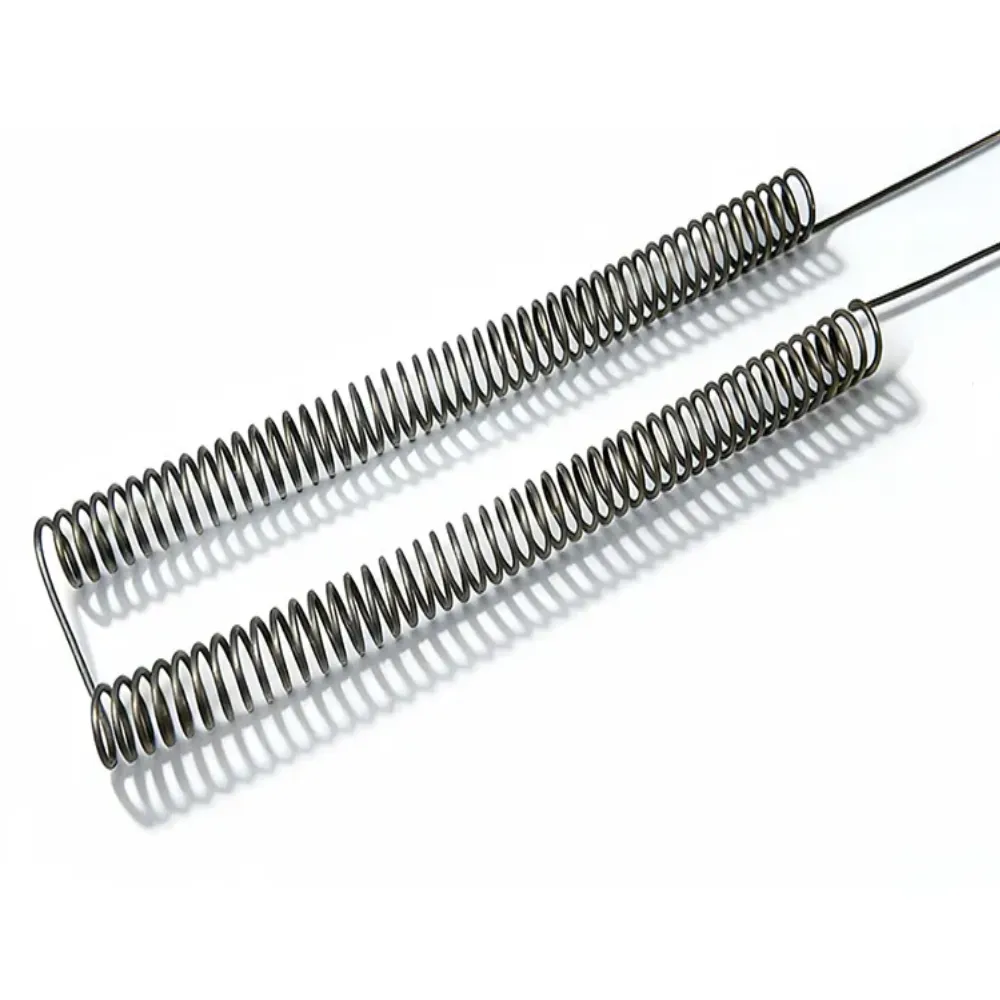
Check What Makes Two Zones Comparable
Choose a reference zone whose duty and layout are documented. Compare its element type, support arrangement and operating record with those of the affected zone. Record any differences that could change the interpretation, such as a different load pattern or controller schedule.
A heating element failure analysis comparison can still use an imperfect reference when those differences are visible. Explain which question the reference helps answer. A zone may be useful for comparing one equipment feature while offering little information about another.
Ask the team to identify which measurements refer to a whole branch and which refer to one part. Keep the endpoints, temperature basis and circuit description beside any recorded resistance. Use records obtained under the equipment’s approved procedures.
Count the Runs That Could Have Shown the Fault
An event list tells you where the team found damage. For heating element failure analysis, also record which zones were in service and which ones were inspected. A zone with no recorded fault may have run fewer cycles, or it may have been checked at a different time. Put those limits beside the comparison.
Start with the records you already have. If you can confirm the runs for one zone but only the calendar dates for another, keep those units separate. Show a blank where exposure is unknown. A heating element failure analysis worksheet can still show a cluster of events without assigning the same exposure to every zone.
For each comparison, write down what could make it misleading. If one zone was inspected more often, its event count may reflect that extra attention. Decide whether another record can answer the question. If it cannot, state the limit and use the comparison to guide the next review.
Compare the Same Position Across Runs
Where no comparable zone exists, use earlier runs from the same position. Choose records that describe the relevant operating stage and show which inputs were in effect. Flag a change in load, atmosphere or inspection interval before comparing outcomes.
Indeeco gives a refinery heater example with circuit readings of 30, 31 and 15 ohms. The example illustrates how a result can stand out within a comparison group. For your heating element failure analysis, establish that the measurements use a comparable basis and refer the difference for review. Indeeco refinery heater evaluation.
Write down what you can learn from the comparison. It may show that a change began after a documented event or that a similar issue exists in an unaffected zone. Keep the question and the relevant dates with the figures.
Check the Temperature and Layout Records
Mark whether a temperature is a process setpoint, an element value or another recorded measurement. Keep its location and source beside it. SPARK guide to element temperature and service conditions.
Where the review involves a wound element, identify the drawing state and the dimensions used to describe the location. Furnace heating coil selection guide.
Test Competing Explanations in Heating Element Failure Analysis
Ask What Stays With the Position
If different parts fail at a common equipment position, review what stayed in that location. The support, nearby lining, terminal interface and process exposure are possible lines of inquiry. Map each one to the damage location and check whether its condition is documented.
Kanthal’s furnace guidance discusses how atmosphere, contaminants and contact conditions can influence element service. Use those factors to frame questions for the equipment and material reviewers.
For heating element failure analysis, also look for observations that challenge a position-related explanation. For example, records of the same pattern away from that position may justify broadening the review. Confirm whether the damage descriptions are comparable before treating them as the same event type.
Ask What Tracks a Part or a Process Change
If failures appear across more than one zone after a new lot or drawing revision is introduced, record which parts were installed where. Look for units from that same group that have seen comparable service. Their history can help identify which questions to send to the supplier or materials reviewer.
A heating element failure analysis can also uncover a change shared by several zones. Check whether the pattern began after a new production load, cycle or atmosphere was introduced. Use dates to decide whether the change could have preceded the problem.
| Explanation to review | Evidence that may support it | Evidence that may challenge it |
|---|---|---|
| Local installation condition | Several incidents near one fixed feature | Comparable damage appears at several different positions |
| Part group or revision | Similar events cluster among parts with a shared record | The pattern spans distinct groups and follows one position |
| Process or control change | Several zones show a change after the same documented event | Comparable records show the pattern before the change |
Keep the Next Check Narrow
Write down the observation, the proposed explanation and what would help distinguish it from the others. Assign an owner who can obtain the relevant record or evaluate the equipment. If several factors changed together, list them separately and keep the uncertainty visible.
In heating element failure analysis, the status of an explanation can change as records improve. Date each decision and attach its source. A later reviewer can then understand why one check took priority.
Use the Workshop Video to Read the Position Map
Kanthal’s forming video shows how a named wire becomes a coil. It offers visual context when you label a winding, its ends and the part drawing used in a heating element failure analysis.
Use the actual equipment record to establish where the damaged part was installed.
Verify the Corrective Action
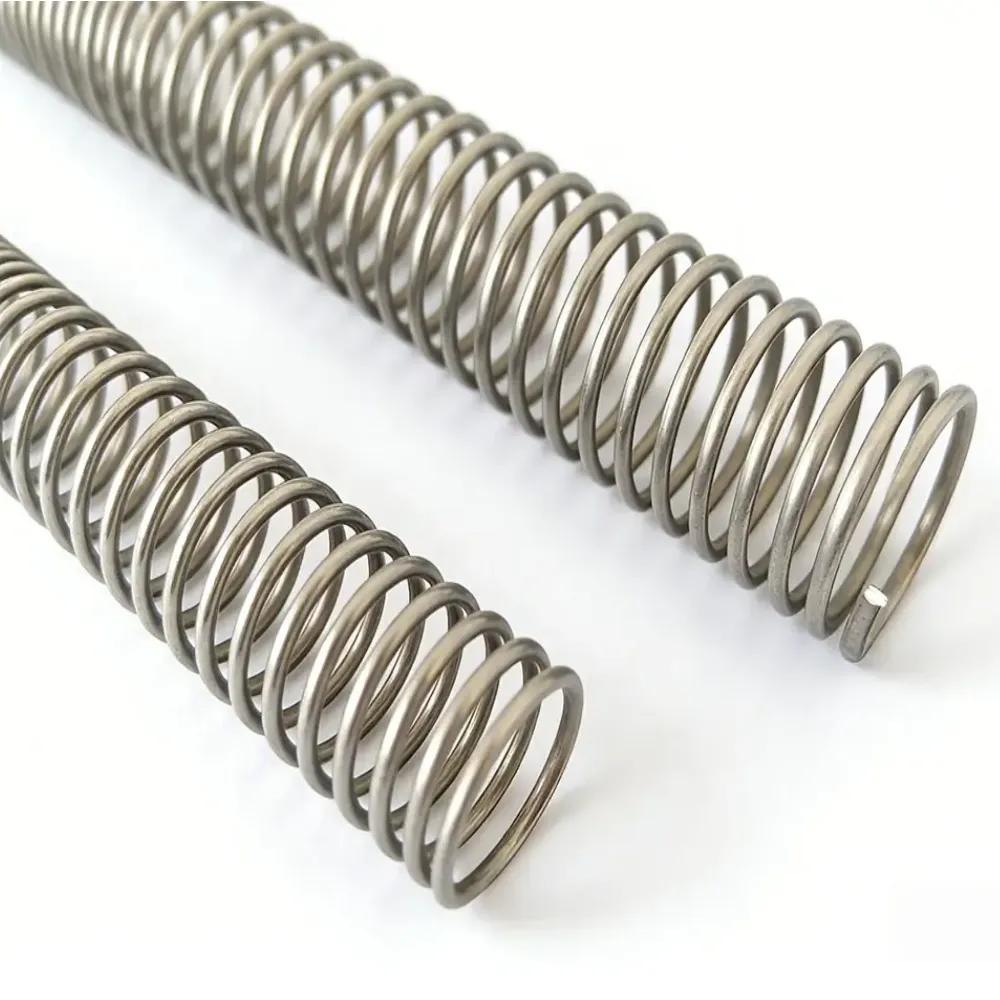
Define What You Expect to Change
Record the approved action and the explanation it addresses. State what the team expects to observe if the action helps. That may mean fewer repeat events at the same position over comparable service or a change in an existing process indicator that the equipment team has agreed to track.
For heating element failure analysis, define the comparison window with the operating team. Include the load and cycle details that make the follow-up comparable. Use the equipment’s established review process to decide when enough relevant operating evidence is available.
Illustrative scenario: Two Things Changed Before the Next Run
A team makes an approved support change during a shutdown. Production also changes how it loads the furnace. The next set of comparable records shows fewer observed faults, but both changes took place before the follow-up.
The heating element failure analysis log credits the observed change to the period after both actions. The team keeps attribution open and records what it would need to distinguish the two explanations.
Keep the Follow-Up Record Easy to Compare
Before reviewing the results, copy the original event fields to the follow-up sheet. Use the same names for the zone and the damage location. In heating element failure analysis, a new label for an old location can hide a repeat event when the records are read side by side.
Add a row for the action date and a row for the next period of service. In the heating element failure analysis record, note the runs that were observed and the periods that have no usable records. If another change happened during that time, include it on the same sheet.
Give the person reviewing the result a copy of the original prediction. For heating element failure analysis, the team should be able to see what it expected, which observations are available and whether those observations answer the question. Keep any follow-up action tied to the evidence that prompted it.
Record the Result and Any Remaining Question
Compare the same indicators under the agreed conditions. If the follow-up ran for a different length of time or included a different duty, enter that difference next to the result. Mark missing records so the next reviewer can see which conclusions have limited evidence.
Keep the final heating element failure analysis record with the affected equipment position and the current part drawing. Give the next person a clear summary of the approved change, the observed result and any question that remains open.
Questions About Repeat Failures
Does a Repeated Break at One Point Prove a Support Problem?
A repeated position gives the team a place to start. Check the support and contact records along with other conditions at that location. Compare the pattern with prior events and with any suitable reference position.
What If Several Failures Involve the Same Lot?
List the parts with that lot identifier and show where they were installed. Compare service and damage records across those locations. A heating element failure analysis should also account for any change that affected those positions at the same time.
Can I Continue if Some Records Are Missing?
Yes. State which dates, measurements or part identifiers are uncertain and use the comparisons you can support. Give each important gap an owner. A later record may clarify whether two incidents belong in the same group.
How Do I Know Whether the Change Helped?
Compare the agreed indicators during similar service and document any other changes. A heating element failure analysis follow-up should state what improved, what stayed the same and which conclusions still need evidence.
Use the timeline, location map and approved action record together when the next repeat event is reviewed. Share the part specification and marked drawing with SPARK to discuss material or geometry questions about the proposed element.