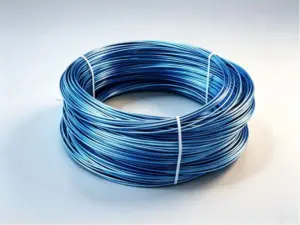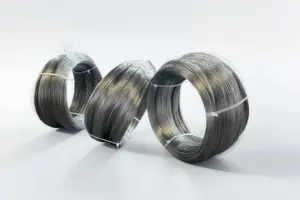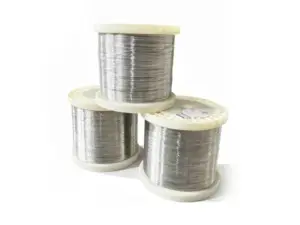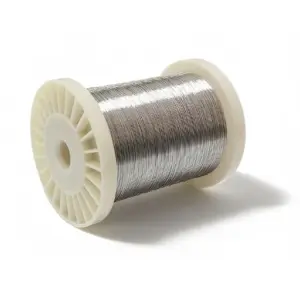
Common nichrome wire uses include heating elements in furnaces and appliances, heat-sealing equipment, hot-wire cutters, and certain electrical resistors. The right material and dimensions depend on what the wire must do inside the equipment.
A list of industries is only a starting point. A furnace coil and a sealing ribbon do different jobs. Each needs the right resistance, shape, support, and working conditions. This guide connects each application to the questions that help define a useful wire specification.
Key Takeaways
- Identify the wire’s role in the equipment before choosing a grade or diameter.
- Industrial nichrome wire uses require checks of temperature, atmosphere, load, and support.
- Heat sealing and hot-wire cutting are different tasks, even when both use resistance heating.
- A fine diameter such as 0.1 mm is a dimension, not a universal choice for small heaters.
- Send electrical targets and a drawing with an RFQ instead of relying on an industry name.
Nichrome Wire Uses at a Glance
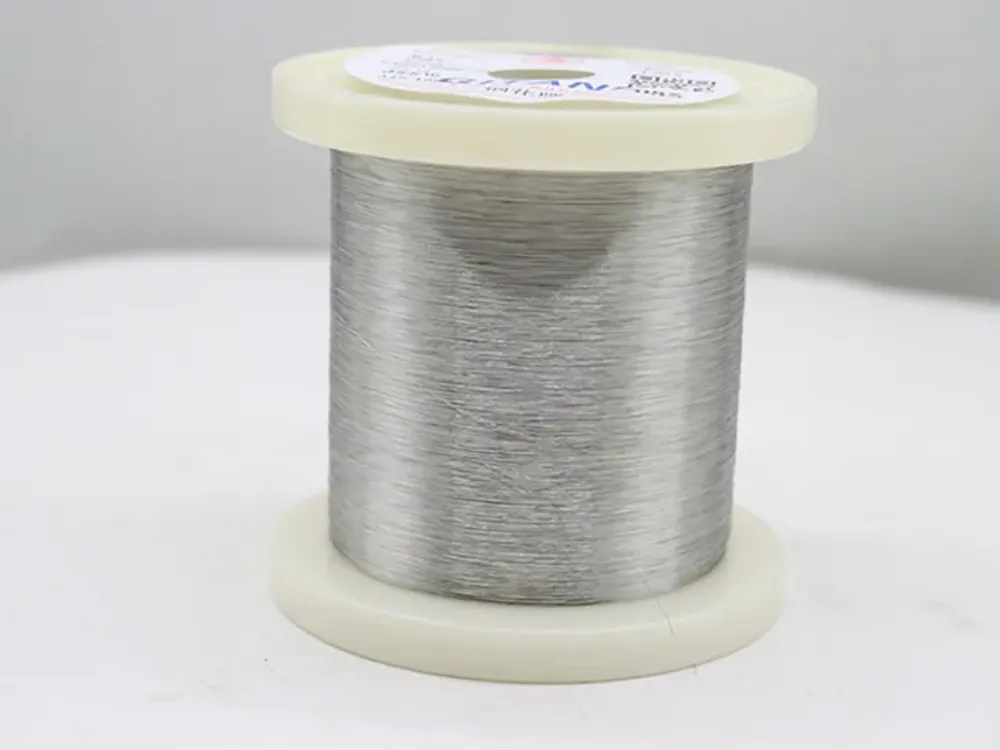
Nichrome is a family of nickel-chromium resistance alloys. Some grades also contain iron and other elements. Current passing through a resistive element produces heat; the material does not turn electrical resistance itself into energy.
The following matrix summarizes nichrome wire uses by the role of the element. It also identifies the information needed before choosing material. It is an application guide, not confirmation that one grade suits every device in a row.
| Application | Wire or Element Role | Questions to Resolve |
|---|---|---|
| Industrial furnaces | Supply heat through a designed element | What are the element temperature, atmosphere, surface load, and support? |
| Appliance heaters | Heat air, a surface, or another medium through an assembly | What power, space, insulation, connections, and duty are specified? |
| Heat sealers | Transfer heat to a sealing area | What film, seal geometry, heating time, and machine specification apply? |
| Hot-wire cutters | Provide a heated cutting path | What material, cutting span, power, tension, and motion are required? |
| Laboratory heaters | Supply controlled heat within an instrument | What geometry, environment, electrical target, and test conditions apply? |
| Electrical resistors | Provide a specified resistance | What resistance, power dissipation, temperature behavior, and tolerance are needed? |
Illustrative Scenario: An Industry Name Is Not a Drawing
A buyer asks for “wire for a packaging machine.” The supplier cannot tell whether the request concerns a sealing element, a cutting wire, or another heater in the line. Choosing from the industry name alone leaves the electrical and mechanical requirements unknown.
The buyer should identify the component and provide its drawing or machine specification. This illustrative scenario explains how to narrow nichrome wire uses into an actual purchase requirement. It is not a customer case or a reported production outcome.
If your request is at that stage, send SPARK the equipment details and available drawing. Mark the unknown values so the quotation can address them explicitly.
Industrial Nichrome Wire Uses in Furnaces and Appliances
Furnaces and appliances are established heating applications, but they do not share one complete element specification. The wire forms part of a system that includes supports, connections, insulation, heat transfer, and controls. Review those parts together.
Kanthal’s Nikrothal 80 data sheet identifies furnace and appliance elements among that material’s applications. It is evidence of use for a specific branded alloy, not proof that all NiCr grades are interchangeable.
Furnaces and Heat Treatment Equipment
For furnace work, start with the atmosphere and the intended element temperature. A chamber setpoint does not establish the temperature of the wire itself. The element must transfer heat to the load, and its actual arrangement affects the thermal conditions.
Nichrome wire uses in a furnace may involve an exposed coil, a supported element, or another designed assembly. Record the mounting orientation, available space, and operating cycle. Include relevant process vapors or contamination in the material review.
For example, SPARK’s Cr20Ni80 technical table publishes a maximum continuous temperature of 1200°C. That value is material information for review, not a promise that any furnace design can run at that setpoint. Confirm the applicable service conditions for the order.
Use SPARK’s industrial heating solutions as an application starting point. A material quotation still needs the particular conditions and component requirements behind the application name.
Commercial and Household Appliances
Appliance examples include ovens, water heaters, air heaters, and other equipment containing resistance elements. The wire may sit within a larger assembly rather than directly contacting the medium being heated. Specify the complete arrangement when asking for a replacement or new element.
For these nichrome wire uses, record the voltage across the element, target power, active length, and available space. Include insulation and terminal details. Heat resistance is only one property. It cannot prove that a whole appliance is safe or will last.
SPARK’s home appliance manufacturing collection provides a related product path. Check the relevant product against the drawing rather than treating the collection label as a technical approval.
Replacement Elements Need More Than Physical Fit
Keep the original alloy, cold resistance, and measurement temperature with the drawing. Similar-looking wire can have different resistance per metre. At fixed voltage, a changed element resistance changes electrical power according to P = V²/R.
For nichrome wire uses involving replacement coils, review changes to the equipment too. A new atmosphere, connection arrangement, or operating cycle may change the material decision. Reusing the old diameter does not resolve those questions.
Nichrome Wire Uses in Heat Sealing and Hot Cutting
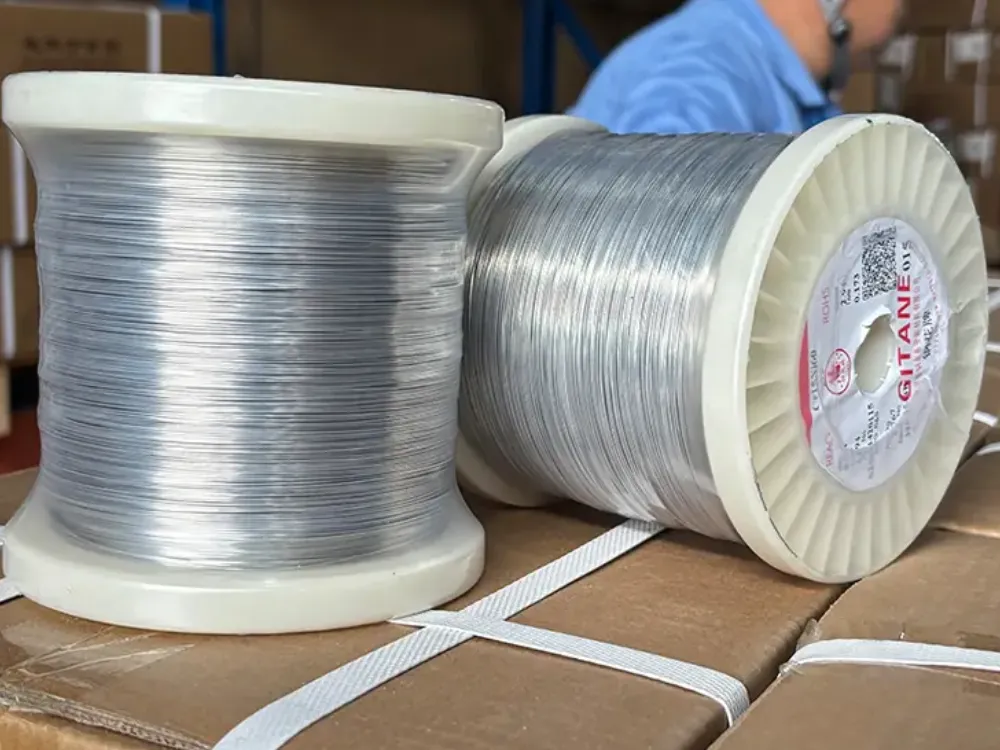
Heat sealing brings material surfaces together through controlled heating. Hot-wire cutting creates a heated cutting path through a suitable workpiece. These applications share resistance heating, but their process requirements differ.
Treat sealing and cutting as separate nichrome wire uses when preparing a specification. The machine drawing and process settings should define the job. Avoid assuming that one wire diameter or heating time works for every packaging material.
Heat-Sealing Elements
In a sealer, the resistive element supplies heat to the sealing area. Film type, thickness, contact arrangement, heating time, and pressure belong in the process review. The required element may be wire or ribbon, depending on the machine design.
TEMCo’s bag-sealer guide describes the relationship between the heating element and sealing cycle. Use the equipment specification when selecting a replacement. Do not adopt another machine’s gauge, material, or price as your own requirement.
For nichrome wire uses in sealing equipment, also record the electrical connections and tensioning arrangement. Provide the complete element dimensions, including its active section and tails. A spool diameter alone does not define the finished part.
Hot-Wire Cutting
Hot-wire cutting requires a defined cutting span and a reviewed material/process combination. Identify the workpiece, intended motion, electrical input, and mechanical support. The required wire temperature cannot be determined from diameter alone.
Remington Industries’ Nichrome 80 data sheet lists hot-wire foam cutting among that material’s applications. Its published wire data apply to its product, not to every foam, cutter, or SPARK grade. Confirm the material and equipment requirements for the actual process.
Illustrative Scenario: Same Length, Different Resistance
A maintenance team receives replacement sealer wire with the same cut length as the old part. The new proposal lists a different alloy and section. Matching length alone cannot establish the same cold resistance or heating behavior.
The team should compare the full specification before accepting the replacement. This illustrative scenario shows why nichrome wire uses in process equipment need both electrical and dimensional requirements. It does not claim a real machine fault or a measured improvement.
For a formed component, ask SPARK to review the drawing and resistance target. Include the machine’s required element type and test conditions.
Fine Wire, Laboratory Heating, and Resistor Applications
Thin nichrome wire can serve a compact design, but smaller is not automatically better. For a given alloy, length, and temperature, reduced cross-sectional area increases resistance. The resulting power depends on the circuit and operating conditions.
These nichrome wire uses should begin with an electrical target and a mechanical envelope. A statement such as “use 0.1 mm wire” does not define the grade, length, resistance tolerance, or complete heater. Those requirements need to be established together.
Small Heating Elements and Instruments
In laboratory equipment, distinguish the heating element from the sensing component. A wire that supplies heat is not automatically the temperature sensor. Describe what the component does and any limits on contamination, dimensions, or surrounding materials.
For instrument-related nichrome wire uses, request the documentation and inspection needed for the specific part. Do not infer a medical, automotive, or precision-instrument qualification from the fact that a supplier offers fine wire. Application approval requires its own evidence.
Electrical Resistance Components
Where wire provides an electrical resistance rather than a process-heating surface, specify resistance, allowed power dissipation, reference temperature, and tolerance. Ask how resistance changes over the required temperature range. The same nominal diameter does not establish the same electrical behavior across grades.
Keep resistor requirements distinct from heater requirements. Nichrome wire uses in resistance components are not a reason to promise a particular precision or stability level without an agreed specification. The drawing and test method should define acceptance.
Ceramic Supports Are a Separate Question
A request for “nichrome wire for ceramics” can mean a kiln heating element or a wire used to support an object during firing. Those tasks place different demands on the material. Clarify the role before discussing diameter or grade.
For support-related nichrome wire uses, ask about load, shape, firing conditions, and contact with the ceramic. Do not assume that a heating-wire temperature rating establishes load-bearing suitability. Keep an application suggestion separate from a verified supply recommendation.
Match the Application to a Material and Element Specification
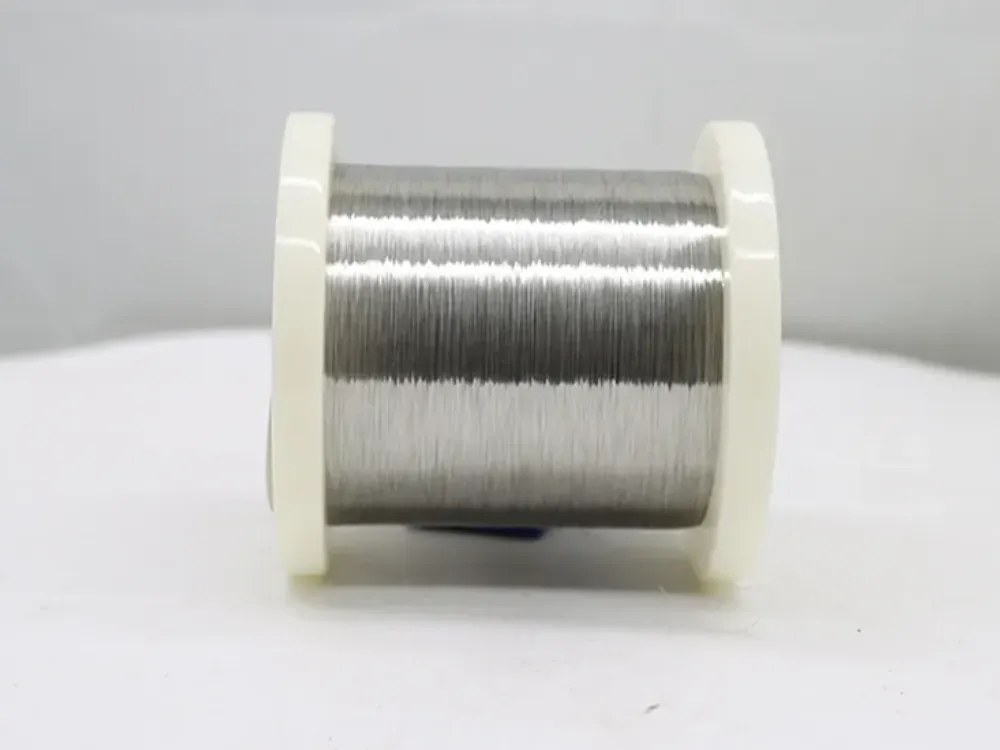
Turn the application into a selection record: operating conditions, electrical target, dimensions, support, and acceptance criteria. This is more useful than ranking alloys by one temperature or a general claim of durability.
For broader grade comparisons, use the nickel-chromium alloy wire selection guide. This page stays focused on nichrome wire uses, while the supporting selection resources address the next design decisions.
Choose the Grade Before Finalizing Dimensions
Use the selected grade’s resistivity and temperature data. Then calculate a candidate length and section for the electrical target. Review the result against the available space, heat-transfer arrangement, and support.
The NiCr alloy category provides SPARK’s material path. If the project also considers FeCrAl alloys, compare exact grades under the same conditions. Family names alone do not establish temperature limits, repairability, or total operating cost.
Use the wire size guide for diameter and resistance questions. For a coil, provide the coil diameter, pitch, active length, and support drawing. Those dimensions describe more than the wire itself.
Prepare a Clear RFQ
For most industrial nichrome wire uses, include:
- The component’s role and exact alloy grade, if already specified.
- Voltage, target power, and cold resistance with its reference temperature.
- Diameter or ribbon width and thickness, with tolerances.
- Active length, connections, support, and a drawing revision.
- Intended element temperature, atmosphere, and duty cycle.
- Quantity, packaging needs, and required inspection documents.
Illustrative Scenario: From a Catalog Search to a Defined Request
A buyer starts by searching a list of nichrome wire uses for an appliance project. The project then narrows to a finished heater with a fixed envelope and electrical target. At that point, an assembly drawing becomes more useful than a general application description.
The buyer should state whether the request is for raw wire or electric heating elements. This illustrative scenario explains a purchasing decision, not a customer outcome. A list of uses cannot confirm stock, tolerances, lead time, or approval for a product.
Frequently Asked Questions
What Is Nichrome Wire Used For Most Often?
Heating elements are a central application, including furnace and appliance elements. Other nichrome wire uses include suitable sealing, cutting, and resistance components. The exact grade and form depend on the component and its operating conditions.
Is Nichrome Wire Always the Best Choice for a Furnace?
No. Compare specific material data against atmosphere, element temperature, support, and duty. The application name alone does not establish a preferred alloy. Avoid universal claims about cost, life, or repairability across entire material families.
Is 0.1 mm Wire Suitable for Every Small Heater?
No. A fine diameter is only one design input. Confirm grade, length, electrical targets, geometry, and test requirements before selecting it. Small-scale nichrome wire uses still need clear design and test requirements.
Does a Wire Rating Prove Equipment Performance?
No. A material data sheet cannot establish the safety, temperature-control accuracy, service life, or energy use of a complete heater. Such claims need evidence for the actual equipment and conditions.
What Should I Send to SPARK?
Start with the application, electrical targets, dimensions, and operating conditions. Include the drawing when the request concerns a formed or finished element. A clear specification connects nichrome wire uses to a reviewable material or component choice.
Define the Application Before Ordering
The useful way to compare nichrome wire uses is to identify the wire’s job, then specify the electrical, thermal, and mechanical conditions. Review the material choice, the element design, and the agreed supply terms as separate decisions.
For a quotation from SPARK, send your application details, resistance target, and drawing. Those inputs turn a list of nichrome wire uses into a focused discussion about the material or element your equipment requires.