Shougang Gitane New Materials Corporation is one of China’s earliest resistance wire manufacturer and heating element supplier in the electrothermal alloy sector. With a research history tracing back to 1956, the company has built a solid reputation in developing electric heating storage materials for high-power industrial applications. This article presents two representative case studies where Shougang Gitane’s products contributed to major emission reduction goals, along with a practical overview of its FeCrAl and NiCr series alloys.
Case Study 1: SPARK FeCrAl Alloy Wire in the Green Olympics
The Zhangjiakou mountain media center and its surrounding areas needed a clean heating solution ahead of the 2022 Beijing Winter Olympics. The local government implemented a coal-to-electricity conversion project at the Erdaogou heat source plant in Chongli District, which became one of 76 key Olympic supporting projects. The core equipment used was a 110kV solid electric thermal storage boiler—a large-scale power source capable of supplying continuous heat for 24 hours to large urban zones. The device relied entirely on electric heating without generating flue gas or waste, achieving zero carbon emissions during operation.
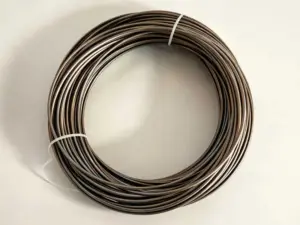
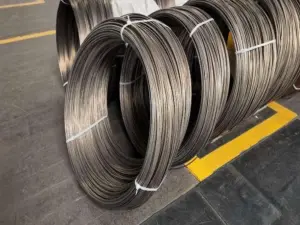
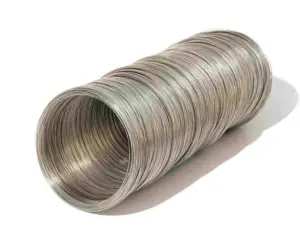
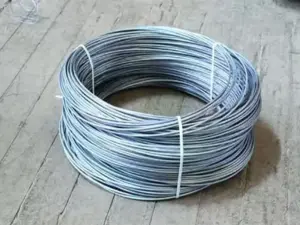
For this project, Shougang Gitane supplied 200 tons of its “SPARK” brand FeCrAl alloy wire. Stretched end-to-end, this wire would measure 1,750 kilometers. The alloy material was engineered into spring-like shapes—often referred to as resistance wire coil—and embedded between layers of heat-resistant bricks within the storage furnace. This arrangement allowed heat to spread evenly through the storage unit, maximizing the efficiency of the solid storage heating element. A key technical challenge was the high voltage requirement. Standard electric heating materials typically need a transformer to step down the voltage. Shougang Gitane’s product, however, supported direct 110kV high-voltage connection without a transformer. This high resistance performance eliminated a separate conversion step, reduced energy loss, and improved the overall reliability of the heating system.
Case Study 2: Coal-to-Electricity Retrofit for Harbin Petrochemical
Industrial decarbonization in the petrochemical sector presents unique challenges. Harbin Petrochemical Company launched a demonstration project to achieve complete coal elimination from its operations. The project, listed as one of 28 major initiatives under the China Petroleum Carbon Peak Action Plan, was designed to generate steam using a combination of wind power, off-peak electricity, and thermal storage, ultimately phasing out all coal-fired boilers.
At the center of this retrofit was a solid thermal storage boiler using FeCrAl heating element systems designed to endure the demanding conditions of a petrochemical plant. The project required a high temperature resistance furnace capable of supplying 50 tons per hour of medium-pressure steam (3.82MPa at 450°C), with maximum output reaching 75 tons per hour for emergency conditions. The equipment combined wind power (50MW total input) with valley electricity (100MW total input) to produce 341,500 tons of steam annually. This configuration allowed the plant to keep its operations running while cutting direct coal consumption entirely. The industrial heat treatment furnace equipped with Shougang Gitane’s high standard resistance wire ribbon provided the necessary heating capacity under continuous heavy load.
Product Portfolio Overview
Shougang Gitane produces two main alloy families for different heating applications. The following table summarizes their key characteristics:
| Alloy Series | Common Grades | Max Operating Temp | Typical Applications |
| FeCrAl Series | 0Cr25Al5, 0Cr21Al6Nb, HRE, SGHYZ | Up to 1400°C | Industrial furnaces, heat treatment, high-wattage storage boilers |
| NiCr (Nichrome) Series | Ni80Cr20, Ni60Cr15 | Up to 1200°C | Home appliance manufacturing, working environment with frequent starts and stops |
FeCrAl (iron-chromium-aluminum) alloys form a stable aluminum oxide layer at high temperatures, which prevents further oxidation and extends the service life of the industrial electric furnace. These materials work well in heat treatment heating element setups where temperatures regularly exceed 1000°C. They also offer high resistivity (1.45 Ω·mm²/m for SGHYZ grade). This makes them suitable for electric resistance wire applications requiring stable performance under thermal cycling.
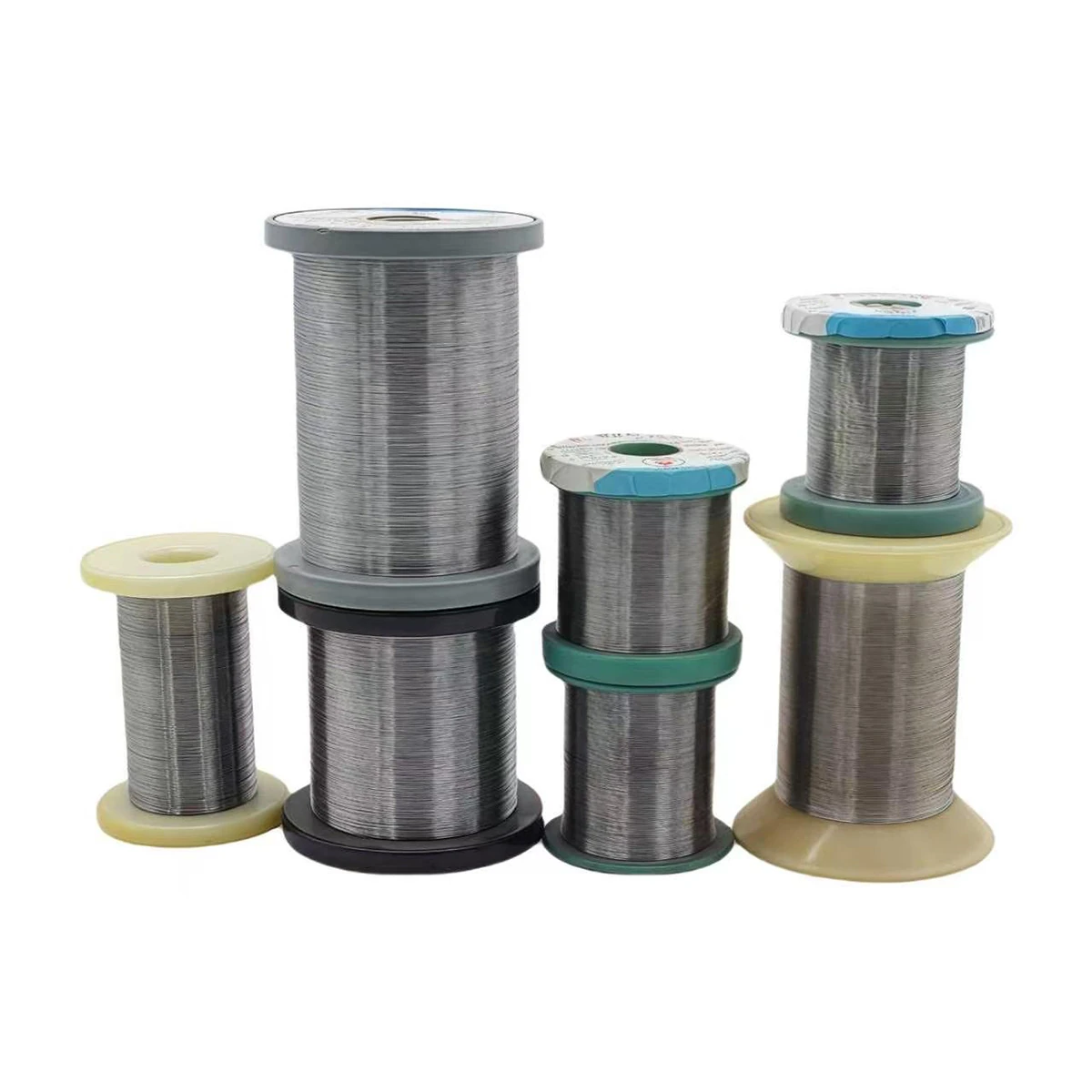
NiCr alloys (also called nichrome) provide good oxidation resistance and do not become brittle after repeated heating and cooling cycles. Products include nichrome 80 wire and nichrome 60 wire, available in forms such as nichrome ribbon wire and nichrome flat wire. The diameter range covers fine nichrome wire 0.1mm for small appliances up to heavier gauges like 22 gauge nichrome wire and AWG nichrome wire for industrial systems.
Beyond basic wire forms, the company offers coil heating element designs, tubular heating element assemblies, and band heaters for different furnace configurations. These components serve applications in vacuum furnace heating elements, sintering furnace heating systems, annealing furnace lines, and muffle furnace units.
Quality Assurance and Manufacturing
Shougang Gitane maintains control over the entire production chain. The process begins with raw material smelting, followed by steel rolling, forging, annealed heating wire processing, and final resistance wire coil product assembly. The company’s SGHYZ FeCrAl material, a third-generation high-temperature alloy, demonstrates operating temperatures up to 1400°C with oxidation resistance three times higher than standard alloys. The surface finish precision is controlled within 0.2μm, keeping resistance fluctuation below ±1.5% across production batches.
The company functions as a China heating element factory offering custom heating element designs for specialized applications, including high temperature electric furnace systems and controlled atmosphere furnace configurations. For international buyers, pricing information such as iron chromium aluminum and nickel chromium wire prices per kilogram can be obtained directly through the company’s product team.
FAQ
Q1: What is the difference between FeCrAl and NiCr heating alloys?
A: FeCrAl alloys can operate at higher temperatures (At present, the maximum operating temperature of Gitane’s iron chromium aluminum product “SGHT ODS super electric heating alloy” is 1425 ℃) and generally cost less, but they become brittle after repeated thermal cycling. NiCr alloys maintain better mechanical strength through temperature fluctuations and work well in lower-temperature applications such as household appliances.
Q2: What are the common forms of resistance wire available from China manufacturers?
A: Most suppliers offer round wire (0.1mm to 9.0mm diameter), flat wire (0.05-0.35mm thick), and strip material (up to 40mm wide). These forms are processed into resistance wire coils, heating element ribbons, and custom shapes based on the furnace design.
Q3: Can FeCrAl alloy wire be used in vacuum furnaces?
A: Yes, with proper selection of alloy composition and surface treatment. However, vacuum operation changes heat transfer conditions, so the surface load rating must be adjusted downward compared to air-based furnace designs.
Q4: What is meant by “solid storage heating element“ in industrial applications?
A: A solid storage heating element consists of a high-temperature resistance wire embedded in a dense refractory brick matrix. The wire heats the bricks during off-peak hours, and the stored heat is released slowly when needed. This configuration is used in large-scale heating systems such as the Zhangjiakou Olympic project.
Commitment to Sustainable Industrial Heating
The push for industrial decarbonization is creating new demand for reliable high power electric thermal storage systems. According to the Global Electrothermal Alloy for Electric Heating Element Market Research Report 2025, the global market for electrothermal alloy materials used in heating elements was valued at an estimated USD 5425.0 million in 2024, with a projected compound annual growth rate (CAGR) of 8.50% during the forecast period. This growth reflects increasing adoption of electric heating in sectors transitioning away from fossil fuel-based systems.
Shougang Gitane continues to supply heating alloy wire and high temperature heating element solutions for industrial heating furnace applications, including semiconductor furnaces, aerospace heat treatment lines, and high-purity alloy melting equipment. Technical specifications and pricing inquiries are managed through the company’s official platform.